1-3
CitizensNYC Neighborhood Business Grant Explained
CitizensNYC Neighborhood Business Grant: see award uses, eligibility, application timing, and local projects past grantees funded with support.
- Written by

- Published
- Updated
- Reading time
- 9 min read
- Sources
- 1 cited
The CitizensNYC Neighborhood Business Grant is a small grant for New York City neighborhood projects, including some work that supports local businesses and entrepreneurs. Funding favors resident-led ideas that respond to community needs, while applicant eligibility varies by program and for-profit businesses are not among the listed applicant categories. Check the current rules and deadlines before applying, and treat a grant as help for a tested plan, not a replacement for proving the business can work.
In this guide
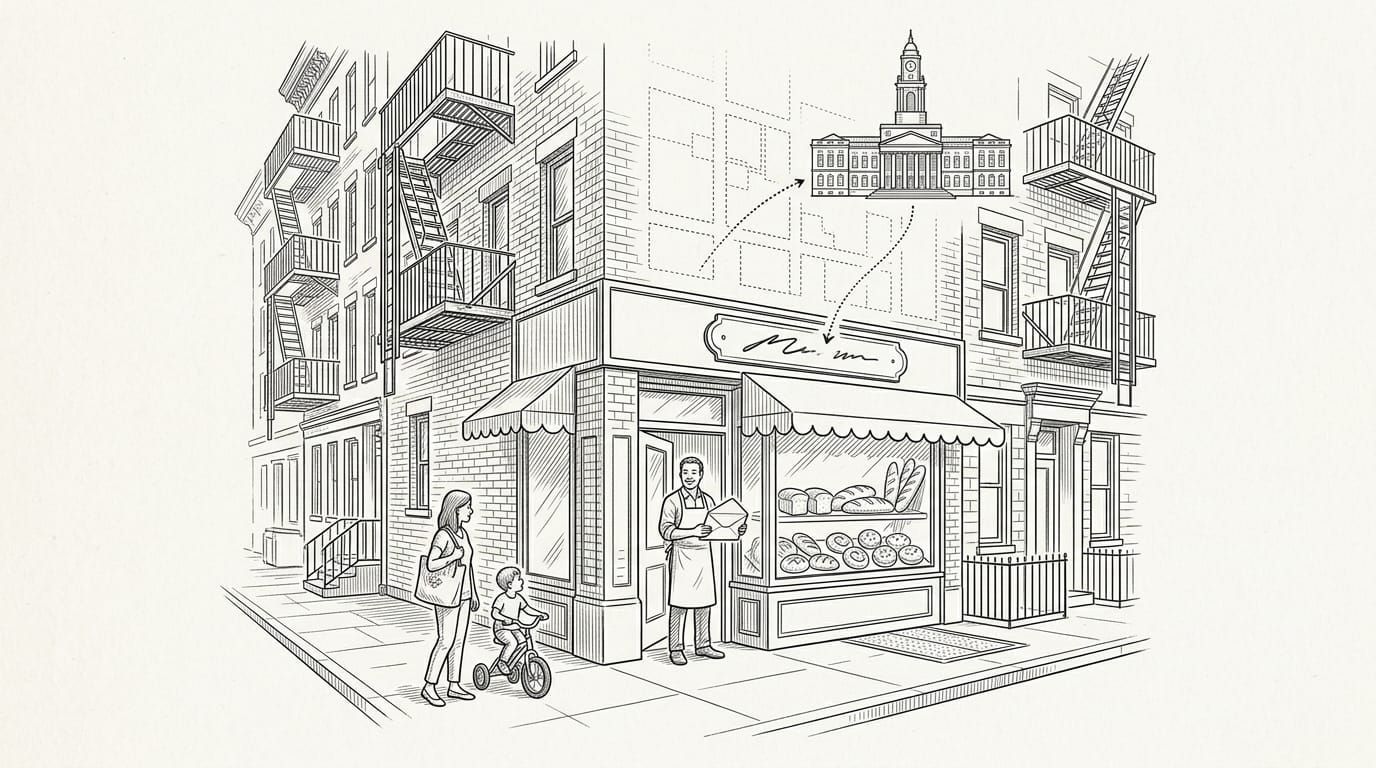
Picture this: you’ve built a side hustle out of your spare room, and the next step needs a better tool or a booth at a local market. The money is the sticking point.
That’s where a neighborhood grant can help, but only if you know what the CitizensNYC Neighborhood Business Grant funds and whether you fit.
In this post, we’ll cover the program’s origins, what each grant pays, who qualifies, what past grantees have built, and the support offered beyond the money.
CitizensNYC Neighborhood Business Grant Origins and Impact
Before you apply, it helps to know where CitizensNYC came from and what its money has already built. The story starts in 1975, and the numbers show its reach.
How residents shape their own agenda
Residents define community needs, and funding follows their priorities, not a plan set from above. That’s bottom-up change, and it’s a big reason the work tends to stick.
Think of a home cook in one building who notices her neighbors can’t get fresh food nearby. She can see the fix better than anyone downtown, and this model is built to back exactly that kind of local idea.
The agenda also centers racial and economic justice, so projects that tackle inequality in a neighborhood fit the mission. CitizensNYC works as partners rather than directors: it supports local leaders instead of telling them what to build.
Founded in 1975 as a micro-granting leader
According to CitizensNYC, the group was founded in 1975 as one of the nation’s first micro-funding organizations.
It still describes itself as one of the oldest micro-grantmakers in New York City, and it’s also the largest micro-granting organization of its kind. A micro-grant is a small award aimed at a single neighborhood project.
Its value lies in longevity rather than novelty. The group was formerly known as the Citizens Committee, so you may run into that older name when you research it.
Projects funded and residents reached
Here’s the snapshot:
- 596 projects funded in 2019
- $2.3 million in grants
- 130,000 residents reached
- 164 neighborhoods covered
Spread across that many neighborhoods, those awards add up to something bigger than any single block. Small grants, big reach.
Grant Programs and How Much Each Pays
CitizensNYC runs several neighborhood grants, and the award sizes vary a lot. Here’s what each one pays and who it’s built for.
Neighborhood microgrants of $5,000 or less
Microgrants of $5,000 or less are the tier to check first if you’re working solo. Brooklyn grants come in at $3,500 each, and the Neighborhood Business Grant falls in this group.
Think of a weekend baker who needs a used mixer and a first batch of packaging. Awards in this range are meant to fund the first step, not the whole business, so start there.
Grants that back youth leadership councils
These grants go to youth leadership councils, not individual business owners, so they’re unlikely to fit your own side hustle.
Five councils were funded through $1,500 micro-grants, and the money backs student-led projects where the young people plan and run the work.
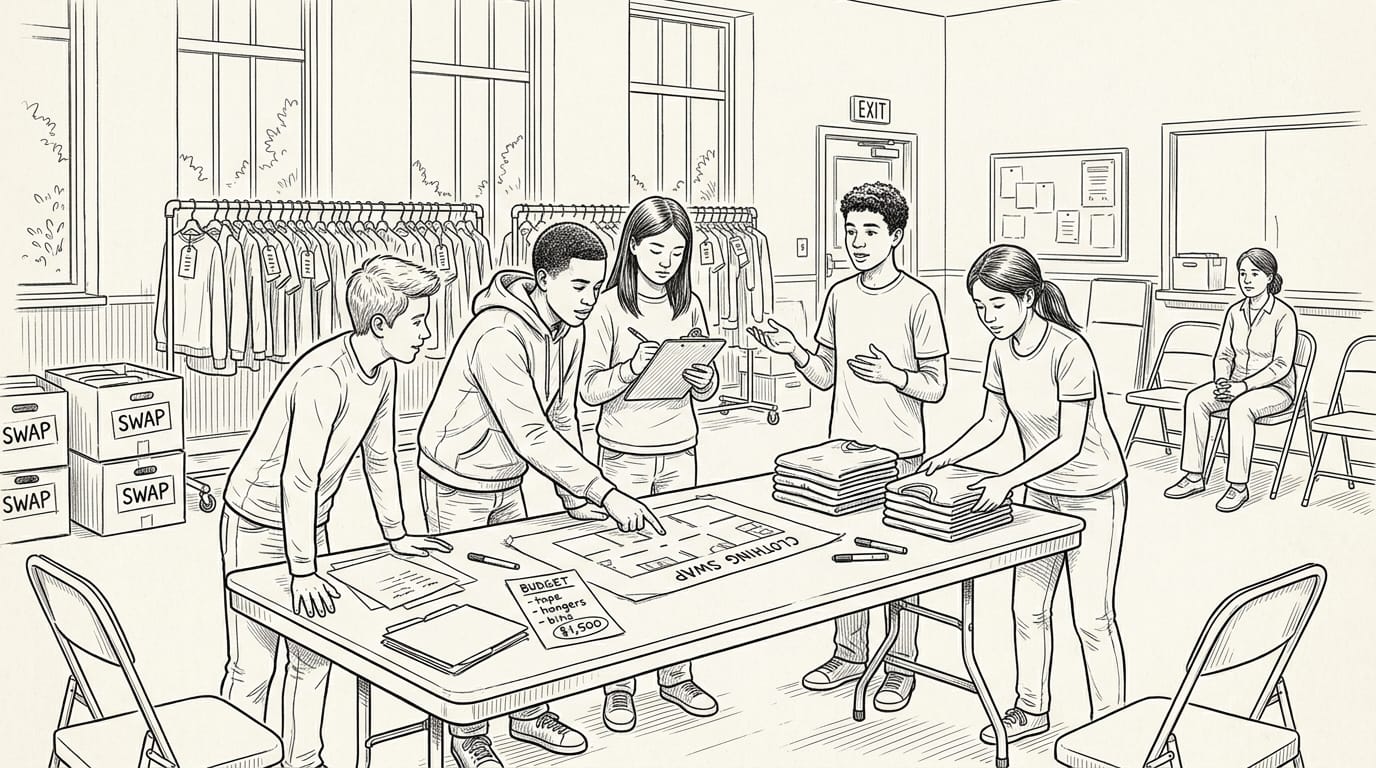
Picture a youth council that wants to run a neighborhood clothing swap. A $1,500 micro-grant could cover the supplies while the students handle the planning. This one’s about who leads the project, not what gets sold.
A pilot grant for collaborative groups
The pilot program offers $10,000 per borough and is built around groups of three grantees working together. If you run solo, you’d need two partners before this model fits, so it’s a weak match on its own.
For a solo owner, the microgrant tier is the better place to start.
Prior grantees can also apply. If you’ve already received a CitizensNYC award, this one’s worth a look.
All In neighborhood grants during COVID-19
During the coronavirus pandemic, the All In neighborhood grants offered up to $10,000 per group.
The program was later renamed the signature grant, and its money came as unrestricted general operating support, meaning groups could spend it on everyday costs rather than one project. In total, $250,800 went to 64 groups.
Because this was a pandemic-era program, confirm it’s still open before you plan around it. Whichever program you apply to, ask a tax professional how grant money would be treated in your situation before you budget around it.
Who Qualifies and When to Apply
Timing and eligibility decide whether you can apply at all, so check both before you spend an evening on the form.
Deadlines and when rounds are announced
Applications are open until March 1, and the grant runs on an annual neighborhood grant cycle, with rounds announced by July 1.
Set your own finish line a week early, not the night before, and read the official instructions line by line before you open the form. Don’t wait for the last week.
Which groups and people can apply
Eligible applicants include:
- resident-led groups
- neighborhood and school groups
- Youth Leadership Councils
Collaborative grants are open only to prior grantees, so a first-timer should check that before planning around one.
Going solo or applying as a group is a real choice, so settle it first. Consider a home baker who runs her cake orders alone from her apartment kitchen.
Before she writes a word, she checks whether a solo applicant fits the rules, so she doesn’t lose a March weekend to the wrong form.
For-profit businesses aren’t among the categories listed here, so confirm your eligibility against the official rules before you assume you’re in.
What residents said they need most
A citywide survey drew more than 1,000 responses, and residents named:
- food
- aid
- healthcare
- technology
If your side hustle serves one of those needs, say so plainly in your application.
Projects That Past Grantees Have Funded
The best way to understand a neighborhood grant is to look at what past grantees actually built. The projects below are grouped by theme, so you’ll spot the ones closest to your own idea faster.
Local culture, heritage and garden projects
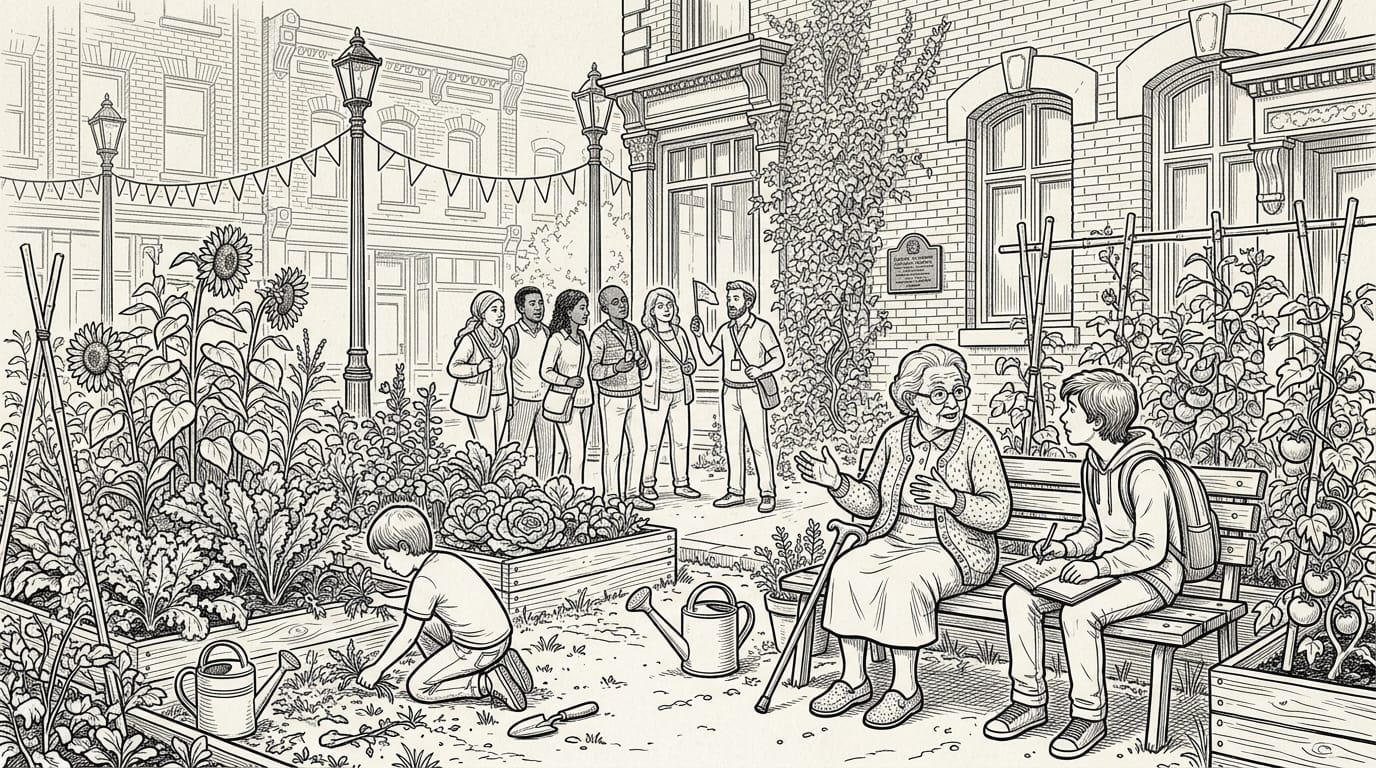
Culture and place projects show how wide the grant’s reach can be. Past grantees have funded a Queer Prom and film projects, along with heritage walking tours that take visitors through a neighborhood’s history on foot.
Others focused on the ground itself, with garden and beautification projects that improve shared outdoor spaces. Intergenerational storytelling pairs younger and older residents so they can swap stories with each other.
Helping small businesses and entrepreneurs
This is where the grants speak most directly to side hustlers. Funded projects include merchants association workshops, which bring local shop owners together, plus lease and legal help, trans entrepreneur training, and restaurant worker training.
Those last two show the grants reach people starting from very different places. Think of a freelance caterer who has cooked out of her apartment for two years and is finally ready for a storefront.
That kind of lease and legal help can show her which clauses to question before she signs. The real value is getting answers before the contract, not after the trouble starts.
Youth, school and police dialogue projects
This group puts young people, schools and police into the same conversation.
Past grantees have backed a climate summit and a school store, along with a conference on restorative justice, an approach that focuses on repairing harm between the people involved.
They’ve also funded a youth-police dialogue event where teenagers and officers talk face to face. Conversation is the point.
Food access, health and shoreline cleanups
These projects tackle needs people feel every day. Fresh produce for residents of the New York City Housing Authority (NYCHA) and a healthy food fair address food access.
Shoreline clean-up stations take on the waterfront, and mental health access rounds out the list, helping residents find support when they need it.
Emergency help during the pandemic
Crisis projects show how quickly a grant can respond when a neighborhood needs help now. Past grantees funded:
- Food and water delivery. Bringing groceries and water to neighbors during the pandemic.
- Medication delivery. Getting prescriptions to people who needed them delivered.
- Emergency financial needs. Help for residents facing urgent money problems.
- Online workshops for teens and elders. Classes held online so young people and older adults could keep learning and connecting.
Support for immigrant and migrant residents
Support here starts with knowing your rights. Know Your Rights clinics explain legal protections in plain language, so residents know where they stand.
Migrant job training helps newer arrivals build work skills, and park stewardship, the work of caring for a local park, rounds out the section. If one of these projects looks like yours, that’s a sign to read the rest of this article closely.
Help Offered Beyond the Grant Money
A grant covers part of the bill but won’t answer every question along the way. CitizensNYC also offers the support below, which we’ll walk through in three groups.
Workshops, planning help and mentorship
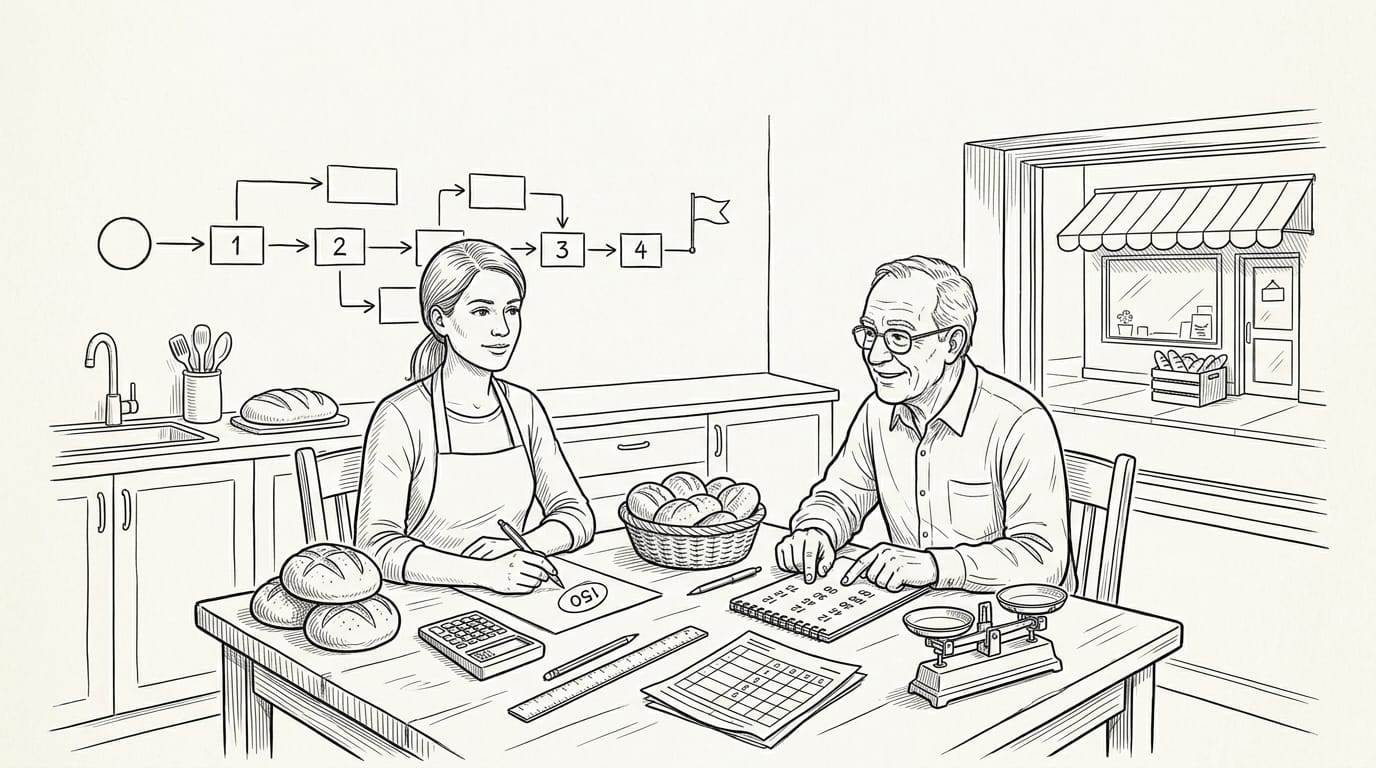
Think of a home baker who wants to supply a local café but has never priced a bulk order. Workshops and planning help can turn that guesswork into a number she can defend. Support in this area includes:
- Skills-building workshops for practical business know-how.
- Leadership development workshops for running a team or project with confidence.
- Project planning assistance that turns a goal into steps and a timeline.
- Mentorship that pairs you with an experienced guide.
Connecting with peers and getting noticed
Running a side hustle can feel lonely. The goal is less about collecting contacts and more about swapping what works.
Peer-learning opportunities let you compare notes with people facing your questions, and convenings (organized gatherings) bring them together in person.
Spotlighting grassroots leaders gives neighborhood entrepreneurs public recognition, and facilitating collaboration turns introductions into shared work.
Consider a caterer who meets a florist at a convening and they split a delivery route, lowering what each pays per order.
Access to staff and shared equipment
Staff time and shared tools are costs most side hustlers can’t cover yet. Access to staff gives you someone to ask when your plan stalls, and the equipment share library lets you use gear without buying it.
Think of a mobile dog groomer who needs heavy-duty clippers only a few days a week. Borrowing them keeps her cash in hand while she checks whether the bookings hold up. Borrow first, buy later.
Programs Run with Partner Organizations
Some CitizensNYC programs run alongside partner organizations, so the focus can differ from the main grants. Here’s how three of them work.
Brooklyn partnership and its microgrants
The partnership has four parts:
- Microgrants. The partnership funds 10 Brooklyn microgrants, which are small awards for local projects.
- Convenings and workshops. The partners co-host them so grantees and neighbors can meet face to face.
- Joint storytelling and media outreach. The two groups tell the story of the funded work together.
- Equity and local voice. Both are built into how the partnership works, keeping neighborhood people central.
Take a home baker in Crown Heights with a market stall booked but no reliable way to keep her product cold. A microgrant that closes a gap like that could mean selling at the market instead of sitting it out.
For a microgrant, it’s less about how big the award is and more about what it fixes.
Special youth grant round with NYC Service
CitizensNYC and NYC Service run a special youth grant round built for younger founders. The round pairs funding with mentorship and training, so young founders get guidance too.
Picture a 19-year-old selling hand-printed tote bags at a few community markets. The grant could cover her first run of supplies, while mentorship could help her price the bags and check whether the hours are worth it.
Money gets you started. Guidance helps you stay in it.
Long support from the Staten Island Foundation
The Staten Island Foundation has given longtime support to the borough, and that support enabled a collaborative project with CitizensNYC. If one partnership doesn’t fit your business, check the next before you count yourself out.
Grant money can be a real boost, but it works best as one tool among several. Compare each program’s purpose with your own plan, check the eligibility rules yourself, and only then decide whether it’s worth your time.
If the fit isn’t there, the same research will point you toward other places to look.
A grant won’t rescue an idea that isn’t working yet, but it can make a solid one far easier to fund. Test the business first, then let the money help you grow it.
References
- CitizensNYC — citizensnyc.org (2025)
Sources
- CitizensNYC | New York City's Partner for Community Leaders, citizensnyc.org,