4-1
How to get your first customers for a new business
Win the first ten paying customers on little or no budget: a one-sentence offer, ten named people and places, the message to send, and a four-week test.
- Written by

- Published
- Reading time
- 8 min read
- Sources
- 4 cited
- Time needed
- Four weeks for one channel test
- What it costs
- Nothing, or a set test budget
- Difficulty
- Tools required
- A one-sentence offer and a list of ten names Toolbox
The first customers rarely find a new business on their own: write the offer in one sentence, list ten real people and places where your buyers already are, and ask them directly, starting with people who know your work. Then test one channel for four weeks on a set budget and count inquiries and sales, not likes.

In this guide
A new business is rarely found by accident; the first customers come from someone you asked. Write what you sell in one sentence, list ten real people and places where the people who’d buy it already are, and ask them directly, starting with the ones who already know your work. Then pick one channel, give it four weeks and a set budget, and count inquiries and sales, not likes. It costs more time than money, and it tells you more about the offer than a month of posting.
Write the offer in one sentence
Before you contact anyone, write down what you sell, who it’s for and what it changes for them. One sentence, with the price nearby:
- “Weekly bookkeeping for dog groomers, so the books are ready at tax time” works. “Solutions for small businesses” doesn’t.
- “Bike tune-ups at your door on Saturdays, $75 flat, parts at cost” works. “Mobile bike services” leaves the reader to guess.
Both are examples, to show the shape: what, for whom, and what they get. Say your sentence to five people in your group and ask them to tell you back what you do. If they can’t, the fault is in the offer, not the marketing, and no channel will fix it. If you haven’t talked to the group yet, start with customer interview questions: the words people use for the problem make the best offer sentence.
List ten people and places, by name
“Social media” isn’t a place you can go. “The neighborhood group where people ask who fixes bikes” is. Write ten lines, each a person or a place you can reach this month, with how you’ll reach them.
| Too vague to act on | A name you can reach this month |
|---|---|
| Social media | The neighborhood group where people ask for recommendations |
| Local businesses | The two bike shops nearby that don’t do house calls |
| My network | Former coworkers who now run small teams |
| Online | The forum where hobby potters swap glaze questions |
| Events | The Saturday market’s list for new stalls |
The Reach part of the Idea Inspection asks for exactly this list. If you can’t write ten lines, that’s the first thing to fix, before the website or the logo.
Start with people who already know your work
The first yes usually comes from someone who has already seen what you can do: a former coworker, a past client, a friend whose shelves you fixed. Tell them what you sell now, and ask a question that’s easy to answer: “Who do you know who might need this?” An introduction from someone they trust gets you further than any ad.
Two cautions:
- If you’re thinking of contacting your current or former employer’s clients, read your employment agreement for a non-solicitation clause first, and ask an employment attorney if it’s unclear.
- Friends and family buy for two reasons, and only one of them is that they want the thing. Charge them the real price and count their orders, but count a stranger’s order as stronger proof.
Go where your group already gathers
Once the warm list is used, go to the places on your list where people in your group already spend time, rather than hoping they’ll come to you.
- Local places: markets and fairs, trade and business groups, the chamber of commerce, notice boards in the shops your customers use.
- A Google Business Profile: for a business that customers visit, or that travels to them, a free profile puts you on Google Search and Maps. Google’s sign-up steps ask whether customers come to you or you go to them, and a profile only shows up once it’s verified. An online-only shop has neither a storefront nor a service area, so this one isn’t for it.
- Online groups and forums: read the rules first, since most ban ads. Answer questions for a while, and post the offer only where the rules allow it.
- Businesses with the same customers: a dog groomer and a dog walker, a wedding photographer and a florist. Each can send the other work.
- Marketplaces: if you make things, a marketplace brings buyers who are already looking. Etsy vs Shopify compares what each takes from a sale and where the buyers come from.
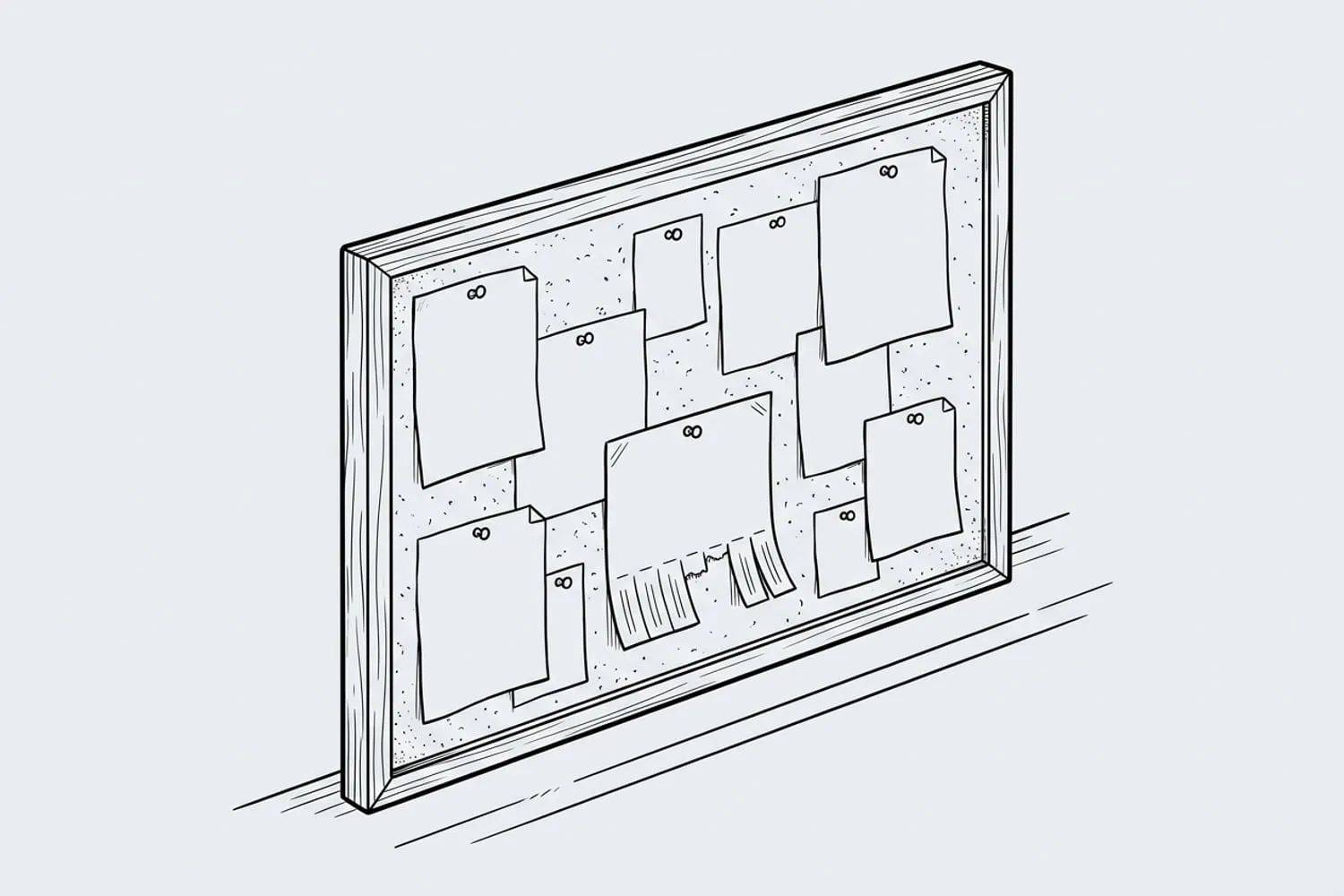
Ask directly: the message to send
Most first-time owners post and wait. Write to people one at a time instead. A good message has four parts:
- Their name, and how you know them or where you found them.
- The offer sentence, with the price.
- Why you’re writing to them in particular.
- One easy next step: a time, a reply or a booking link.
An example: “Hi Dana, I’ve started doing bike tune-ups at people’s homes on Saturdays: $75 flat, about an hour, parts at cost. You mentioned your bike has been in the garage since spring. Want me to look at it this Saturday, or do you know anyone on your street who might?”
If there’s no reply, follow up once after about a week, then stop. A no is useful too: ask what would have made it a yes, or who it would suit better. If the product isn’t made yet, the same messages can take pre-orders instead, which proves more than a promise to buy later.
Keep it within the rules. The FTC’s CAN-SPAM guide says the law “doesn’t apply just to bulk email”: an email that sells needs an honest sender and subject line, a clear sign that it’s an offer, your postal address and a way to opt out, and opt-outs must be honored within ten business days. Don’t add anyone to a mailing list they didn’t sign up for, and don’t text or auto-dial people who haven’t agreed to it. A booking page and an email tool for the people who do ask to hear more are both in the Toolbox.
Test one channel for four weeks
After the warm list and the direct messages, pick one channel from your list, the place most of your group already uses, and test it properly. The SBA’s guide to marketing and sales says to compare what marketing costs with the revenue it brings; at this size, that comes down to four numbers.
- Set the length: four weeks.
- Set the budget before you start, in hours and dollars, for example three hours a week and $100.
- Count, every week:
- messages sent or posts made;
- replies and inquiries;
- sales;
- the hours and money spent.
- At the end, divide what you spent by the customers it brought. That’s what a customer costs to win.
Compare that cost with what a customer leaves you after costs, counting repeat orders. An example, to show the sum: $40 left on a sale and $60 of ads to win each customer loses $20 a customer, unless they come back.
Tip: keep the count in a plain spreadsheet from the first day: the date, who, where they came from and what happened. By week four it answers the one question that matters, which is where the paying customers came from.
If a fair try brings nothing, change one thing and run another four weeks: the offer sentence, the price, the group or the channel. Change them all at once and you won’t know which one worked. Inquiries without sales usually point at the price or the offer; no inquiries at all usually point at the channel or the group.
Turn the first customers into the next ones
The first ten customers are also the cheapest way to the next ten.
- Deliver, then ask how it went. A short message after the job or the delivery shows you what to fix, and it’s the natural moment for the next two asks.
- Ask for a referral. Name the kind of person you help, so they can think of someone: “Do you know anyone else whose bike is sitting in the garage?”
- Ask for reviews the honest way. Under the FTC’s rule on consumer reviews and testimonials, you can’t write or buy fake reviews, offer a reward that depends on the review being positive, or threaten anyone into taking a bad one down, and if you ask relatives or employees for reviews, they must say how they’re connected to you. The simplest way to stay clear: ask every customer the same way, offer nothing for it, and reply politely to the bad ones.
- Quote customers only with permission. A testimonial on your site should be the customer’s own words, not edited to say more than they did.
- Keep in touch. Ask whether they’d like to hear about new work, and add only the ones who say yes to your email list.
Once something works, do more of it before you add a second channel. More on email, local search and referrals is in the Marketing section.
Questions
How do I get customers with no marketing budget?
Spend time instead of money. List ten people and places by name, start with the people who already know your work, and ask them directly with a short personal message. Ask each happy customer who else they know, and leave paid ads until you know which offer and which group bring sales.
Should I give my first customers a discount or work for free?
A launch price with an end date, and the full price stated beside it, can help the first few say yes. Free work tests whether people like free things, not whether they’ll pay, so keep it rare and for a clear reason, such as a portfolio piece. If you give anything in return for a review, the review can’t be required to be positive, and the reviewer should say what they got.
Is it OK to sell to friends and family first?
Yes, and they’re often the first to buy. Charge them the real price, and treat their purchase as weaker proof than a stranger’s, because some will buy to be kind. If relatives post a review, the FTC expects them to say they’re related to the owner, and it’s simplest if friends say they know you too.
How do I ask a customer for a review or a referral?
Ask soon after a job or an order has gone well, in one plain line with a direct link to where the review goes. Ask every customer the same way, not only the ones you expect to be happy, and offer nothing that depends on the review being good. For a referral, name the kind of person you can help: “Do you know anyone else whose bike has been sitting in the garage?”
Sources
- Manage your business: Marketing and sales, U.S. Small Business Administration
- Sign up for Business Profile, Google Business Profile Help
- The Consumer Reviews and Testimonials Rule: Questions and Answers, Federal Trade Commission
- CAN-SPAM Act: A Compliance Guide for Business, Federal Trade Commission