6-11
Examples of Profit Motive in Business and Everyday Life
Examples of the profit motive show how a bike sale, business pricing, and tax rules shape real earnings, including the hobby-versus-business test.
- Written by

- Published
- Updated
- Reading time
- 10 min read
- Sources
- 10 cited
Examples of the profit motive include a cafe extending its hours, a freelancer raising prices, or a seller dropping products that cost more to make than they earn. In each case, people or businesses aim to bring in more than they spend, while using costs, customer demand, and margins to guide decisions. Profit can reward useful improvements and growth, but it matters alongside customer well-being and, for side activities, whether the work is run as a business or a hobby for tax purposes.
In this guide
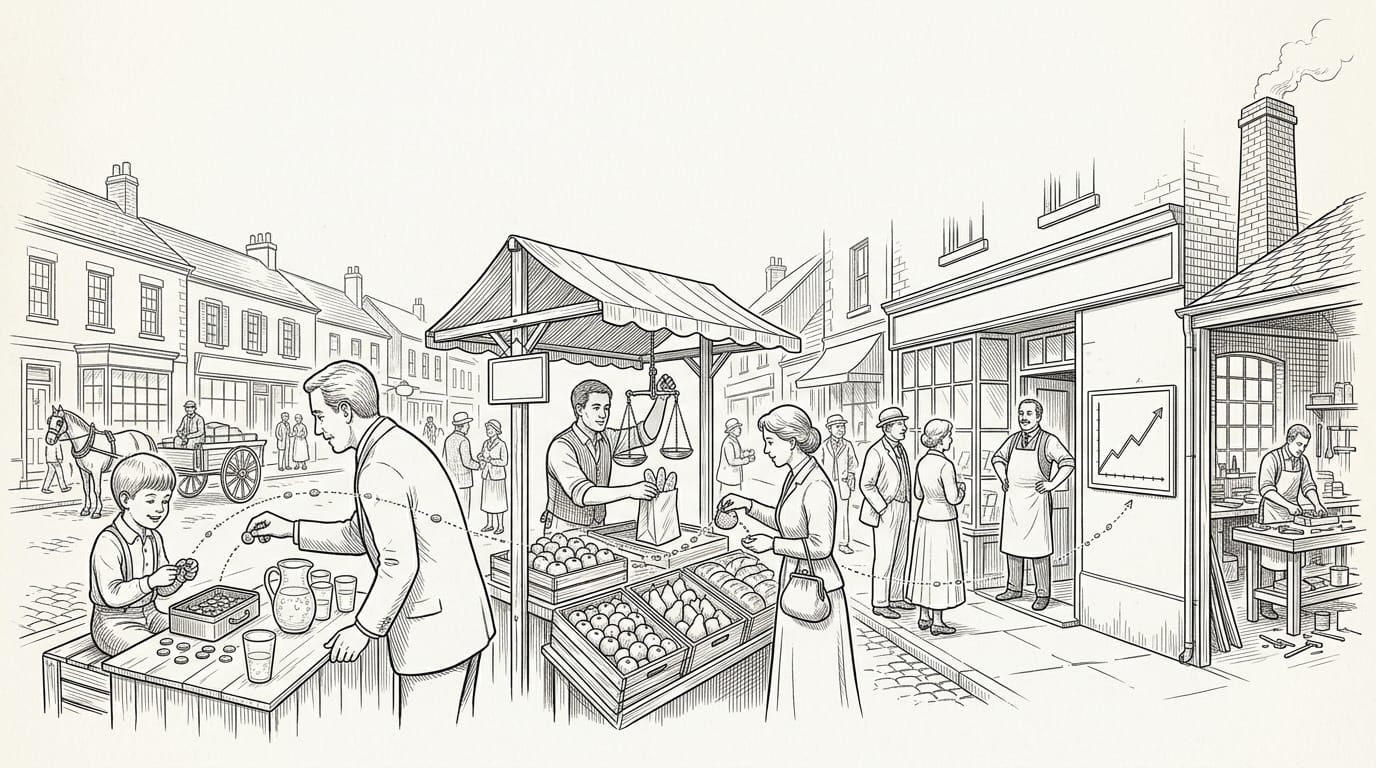
Think about the last time you sold a bike you no longer rode. You set a price, found a buyer, and kept more cash than the bike had cost you. That small win is the profit motive at work.
Put simply, the profit motive is the drive to earn more from what you sell than it costs to make and sell it.
Here, we’ll cover clear examples across business, individual, and system-level settings, plus how tax law treats profit. We’ll also cover the money tools a side hustler needs: margins, pricing, and the hobby-versus-business test.
Core Idea and Examples of Profit Motive
Ever wonder why anyone starts a business? Usually it comes down to one drive: the profit motive.
What is the profit motive, really?
The profit motive is the desire to earn money from economic activity. It shows up in four ways:
- Desire for financial gain: wanting to come out ahead, not just stay busy.
- Net gain from business activity: what’s left after costs.
- Intent to earn monetary gain: the reason the work happens.
- Applies to individuals and firms: a freelancer and a large company both chase it.
Here’s profit in plain terms. Say a side hustler sells $1,000 of candles in a month and spends $700 on wax, jars, and shipping. Her profit is $300, which is what’s left after costs, not what comes in.
Don’t mix it up with two related terms. Revenue is everything that comes in from sales. Cash is what’s in your account today. A client who pays 30 days after you invoice them still counts toward revenue, but your bank balance waits for the payment.
Why economists assume people chase profit
Economics treats the profit motive as a basic assumption: people and firms generally try to come out ahead. That assumption simplifies decisions. If a bakery can sell bread for more than it costs to bake, you can expect it to keep baking.
Profit also drives activity. When it’s possible, people put their time and skills to work, and a hobby turns into a service. Strong profits pull in new sellers, while losses push others out, so profits act as market signals of where demand is.
Income needs matter too. Consider a freelance designer who quotes $400 without counting her revision hours. Once she factors in her time, the profit is thinner than she thought, so she raises her rate. Profit is the scorecard.
Real-life Examples of Profit Motive in Action
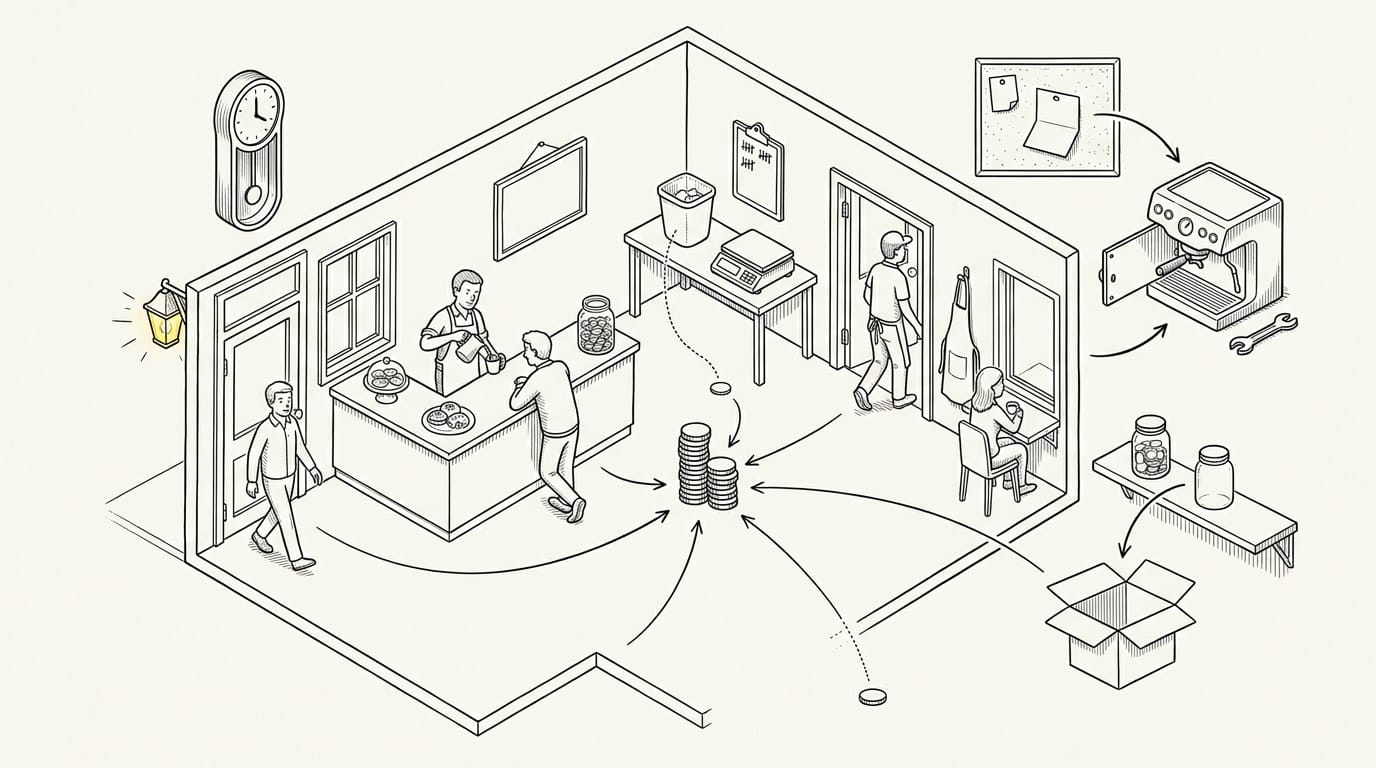
Profit motive is the drive to earn more than you spend. Say a weekend coffee cart takes in more than it spends on beans, cups, and its permit: that’s profit. A slow, rainy month that falls short is a loss.
How everyday businesses act on profit
- Extending hours. A cafe open later catches customers it would otherwise miss.
- Reducing waste and costs. Tracking what gets tossed shows where money leaks out.
- Improving product quality. Better products keep buyers coming back.
- Responding to customer complaints. Fixing what people flag keeps them from leaving.
- Firing a hostile employee. Removing someone who drives customers away protects sales.
- Dropping unpopular products. Items that don’t sell tie up shelf space and cash.
How people chase profit in their careers
Most people weigh future earnings against present effort.
- Choosing a lucrative major. A student picks a field for its pay, not just its appeal.
- Working hard for a promotion. Extra effort now aims at a bigger paycheck later.
- Staying for a pension. Sticking around trades flexibility for retirement security.
- Doing the minimum to keep a job. Just enough effort can leave you energy for a side hustle.
- Buying and selling stock. Investors buy shares hoping they’ll rise, then sell for a gain.
What eCommerce brands did to grow profit
- Paid social ads. MVMT used Facebook Ads to reach new shoppers.
- Personalization. BarkBox used personalization in its e-commerce business. Bark, Inc.’s Form 10-K filing describes its team as “dog-obsessed people committed to delivering personalization at scale.”
- Retention. Dollar Shave Club focused on keeping customers buying again.
- Acquisitions and valuations. Big deals and valuations are used to discuss profit motive in e-commerce. A research paper on Mogujie’s acquisition of Meilishuo notes both firms were listed on 36Kr’s China Unicorn List before merging.
Dropping weak lines and backing strong ones
Smart businesses cut weak lines and back strong ones.
- Dumping unprofitable lines. Products that bring in less than they cost drain cash.
- Investing in profitable lines. Money flows to lines with the best margin, what’s left after direct costs.
- Focusing on highest-return activities. Time goes where it earns the most, not where it’s merely busiest.
Think of a side hustler who designs logos at night. Her cheapest jobs eat as many evenings as her best ones, so she drops them. Same hours, more money.
How the Profit Motive Shapes Economic Theory
What happens when people keep what their effort earns? The answers show why the profit motive sits at the heart of market theory.
How capitalism rewards invention and risk
Under capitalism, the profit motive pushes people to invent and improve. Economist Paul Romer’s theory of endogenous technological change puts the search for new ideas by profit-seeking entrepreneurs at the heart of growth.
The profit motive also supports global efficiency. A cost-benefit analysis of economic globalization notes that neoclassical theory argues expanding markets can help everyone involved, or at least potentially so.
Invention also carries risk, and the profit motive rewards trying over waiting. Take a freelance designer who builds a template product on weekends. If it sells, she keeps the profit, and that’s what makes the risk worth it.
Adam Smith’s invisible hand and self-interest
In The Wealth of Nations, Adam Smith argued that people pursuing their own self-interest benefit society, guided by what he called the invisible hand. He saw a natural urge to truck, barter, and trade.
Smith’s point is that it’s many choices at work, not one plan. When buyers and sellers strike their own deals, goods tend to land where people want them, not where a politician thinks they should.
Where communism drops the profit motive
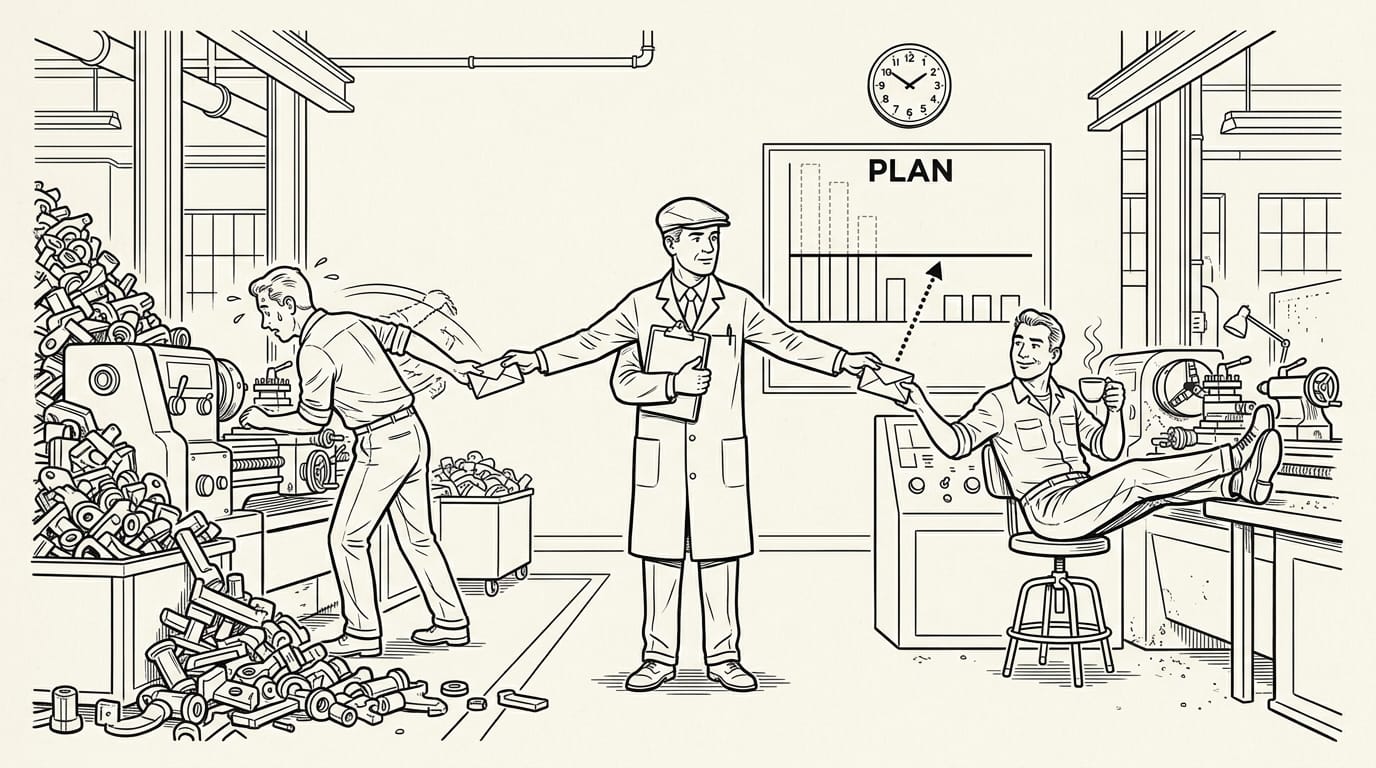
In a centrally planned system, the profit motive is largely absent:
- No reward for doing better. Producers don’t gain much by beating the plan.
- Equal outcomes regardless of contribution. Hard work and idling can earn the same result.
- Weak incentives. Less reward for effort means less effort.
A paper on growth slowdown under central planning argues that these economies tend to be less efficient than those where people freely choose their output targets and methods. Effort without reward fades.
Using Profit Motive to Grow Your Business
Once your side hustle covers its costs, the next step is keeping more of what it earns.
Why it pays to maximize profit
Four moves can grow what you keep:
- Expand into new markets. Sell somewhere new, like a second town or an online store.
- Attract quality leads. Better-fit customers see your value sooner.
- Adopt streamlining technology. Invoicing and scheduling tools free up hours for selling.
- Offer new products. A related item sells to customers you already have.
Growth alone isn’t enough: you want profitable growth, where each sale leaves more behind after costs.
Tracking gross, operating, and net margins
Each version goes one step further:
- Gross profit margin keeps what’s left after the direct cost of making or buying what you sell.
- Operating profit margin also subtracts running costs like rent and software.
- Net profit margin is the bottom line, after everything including taxes and loan interest.
Track all three every month. A big order can hide a thinner gross margin, so watch the trend.
Simple moves that raise your margins
Start with price and cost fixes before chasing new sales. They lift the margin on every sale you already make.
- Track profits and expenses. Log every cost and sale to see what earns.
- Reduce overhead costs. Cancel recurring bills you no longer use.
- Remove unnecessary products. Drop items that take time but bring in little.
- Revise pricing strategy. Check that your prices still cover your costs.
- Streamline operations. Cut repeated steps, like retyping the same order details.
- Improve customer retention. A reorder reminder keeps repeat buyers coming back.
A home baker finds that a few products barely break even once packaging and her time are counted. She drops the weakest ones and raises the price on her bestseller. She works the same hours. Now those hours pay.
Weighing the Upsides and Downsides
The profit motive can make a business sharper or sloppier, so we’ll look at both sides.
What the profit motive does well
- Competition lowers prices. An essay on state-business relations found more rivals tended to mean lower prices. A side hustler who spots a $9 rival for her $12 candle has to rethink her costs.
- Long-term planning. Profit rewards owners who look past this month’s sales.
- Operational efficiency pressure. Waste comes straight out of your margin, so you tighten up.
- Incentive for better products. Customers who keep buying give owners a reason to improve.
Where chasing profit goes wrong
The 2008 housing and financial crisis involved risky financial practices. An investigation summarized by the Levin Center named high-risk home lending and inflated credit ratings among four key causes.
Some owners trim materials or testing to protect the margin, and customers pay the price.
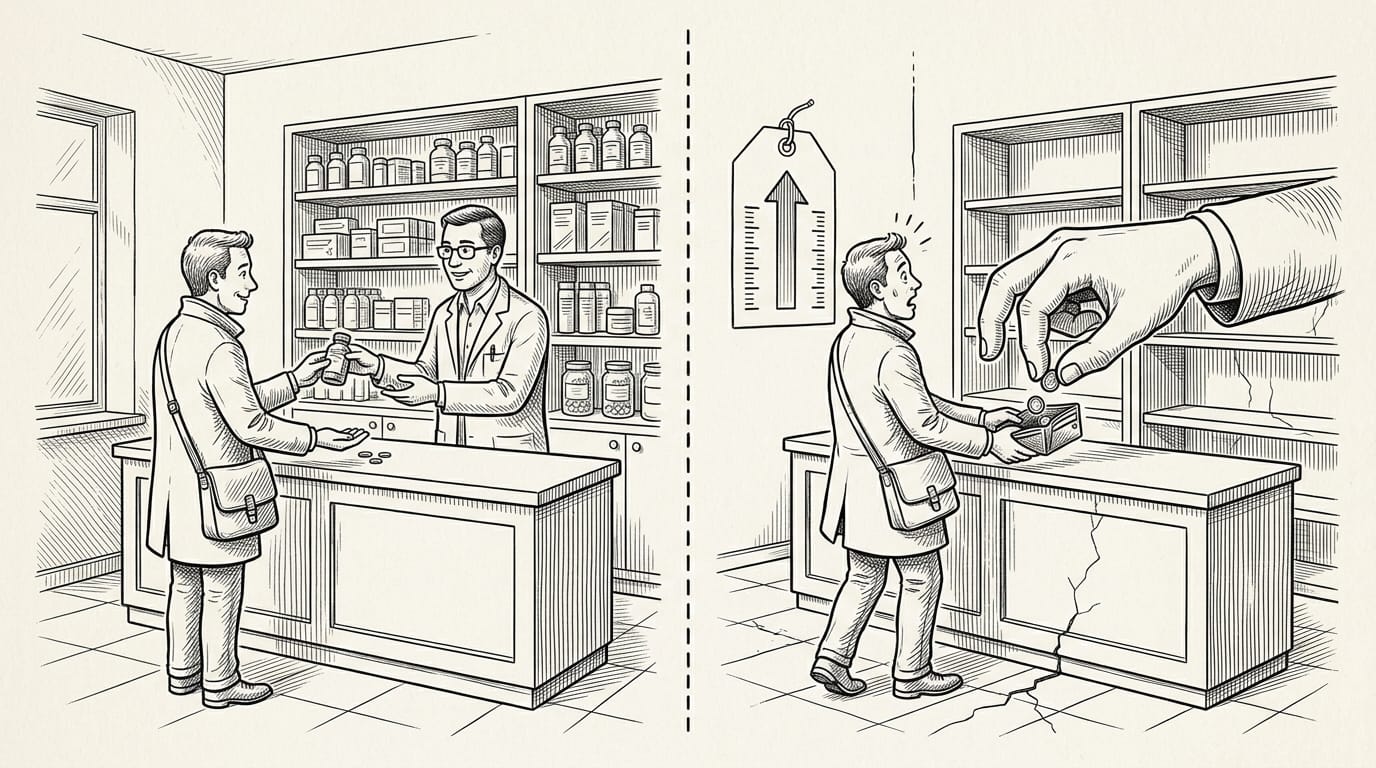
Martin Shkreli’s Daraprim price hike is a frequently cited example of price gouging. California’s Attorney General’s office reports his companies raised the price to $750 per tablet, an increase of more than 4,000%.
When profit becomes the only goal, a fair margin can slide into greed. A healthy profit is earned by serving customers, not taken from them.
Why profit alone is not enough
Many owners are driven by social and personal motivations. Non-profit motives point elsewhere: a food pantry measures success in meals served, not margin.
Many investors also weigh environmental, social, and governance (ESG) criteria, so profit is only one measure of a company’s health.
A big company’s profit playbook doesn’t translate neatly to a side hustle built around a day job.
Chasing short-term profit can crowd out training and loyal customers. Profit matters. It just isn’t the whole story.
How Taxes and the Law Treat Profit
Does the government see your side hustle as a business or a hobby? That label decides which costs you can deduct.
How the IRS checks for profit motive
The Internal Revenue Service (IRS) sorts your activity into a business or a hobby by asking whether you run it to make a profit.
The test is about expectation rather than results: you need a reasonable expectation of profit, not a profit yet. The IRS weighs nine factors to decide.
Business expenses are deductible, so supplies, software, and fees can lower your taxable income. Hobby costs don’t get that treatment.
Consider a photographer with a side hustle who books paid shoots and logs every lens rental. Her costs can reduce her taxable income. A weekend painter who sells the occasional canvas to friends looks more like a hobby.
Similar side work, different tax picture.
Reporting hobby income and losses
Hobby losses aren’t deductible, so a pastime that loses money can’t shrink your day-job income. Hobby income still counts, though. The Taxpayer Advocate Service reminds you to report it on Schedule 1, Form 1040, line 8j.
According to Ambrook’s explanation of the hobby loss rules, the 2017 Tax Cuts and Jobs Act (TCJA) changed the federal tax treatment of hobby expenses and losses.
It eliminated the option to deduct those costs for tax years 2018 through 2025, and the One Big Beautiful Bill Act (OBBBA) made that suspension permanent.
How heavy taxes dull the profit drive
Burdensome taxes reduce motive: when the government takes a big share of your earnings, the reward for effort shrinks, and so does your drive to take the risk.
Lower rewards for creating value cut the incentive too. A side hustler who keeps only a sliver of each sale may decide the late nights aren’t worth it. Less reward for creating value means less value created.
The profit motive is more than an economics term. It’s the everyday question behind every side hustle: does what comes in comfortably beat what goes out?
Once you can answer that with real numbers, your idea stops being a hope and becomes a plan you can check. Keep your margins honest, price with confidence, and revisit the hobby-versus-business test as your numbers change.
Know your margin, and you’ll know whether your idea is a business or just a hobby with a price tag.
References
- Hobby vs. Business Income — taxpayeradvocate.irs.gov (2026)
- Bark, Inc. Form 10-K for the period ended March 31, 2026 — sec.gov (2026)
- Financial Risk Analysis and Prevention in E-commerce Platform Mergers and Acquisitions: The Case of Mogujie’s Acquisition of Meilishuo — doi.org (2025)
- Attorney General Bonta Moves to Hold Martin Shkreli, Infamous Pharma Bro, in Contempt for Defying Lifetime Pharmaceutical Industry Ban | State of California - Department of Justice — oag.ca.gov (2026)
- Paul Romer: Ideas, Nonrivalry, and Endogenous Growth - Jones - 2019 - The Scandinavian Journal of Economics — onlinelibrary.wiley.com (2019)
- Cost–Benefit Analysis of Economic Globalization — doi.org (2009)
- Growth Slowdown Under Central Planning: A Model of Poor Incentives — doi.org (2002)
- How state-business relations trump market forces in determining commercial success — assets.publishing.service.gov.uk (2010)
- Financial Crisis — levin-center.org (2026)
- What Are the Hobby Loss Rules? — ambrook.com (2025)
Questions
What is the profit motive in economics?
In economics, the profit motive is the desire to earn more from an economic activity than it costs to produce and sell. It applies to individuals and businesses seeking a net financial gain.
Why do businesses seek profit?
Businesses seek profit to earn a return on their work and investment and to support continued operations and growth. Potential profit also encourages businesses to improve products, reduce waste, and respond to customer demand.
What is the meaning of profit with an example?
Profit is the money left after subtracting costs from revenue. For example, if a candle seller earns $1,000 in sales and spends $700 on supplies and shipping, the profit is $300.
Can you provide a real-life example of profit and loss?
A coffee cart makes a profit in a busy month if its sales exceed what it spends on coffee beans, cups, and permits. In a rainy month, if sales fall short of those costs, it takes a loss.
Sources
- Bark, Inc. Form 10-K for the period ended March 31, 2026, sec.gov,
- Financial Risk Analysis and Prevention in E-commerce Platform Mergers and Acquisitions: The Case of Mogujie's Acquisition of Meilishuo, doi.org,
- Paul Romer: Ideas, Nonrivalry, and Endogenous Growth<link href='#sjoe12370-note-1001'></link> - Jones - 2019 - The Scandinavian Journal of Economics - Wiley, onlinelibrary.wiley.com,
- Cost–Benefit Analysis of Economic Globalization, doi.org,
- Growth Slowdown Under Central Planning: A Model of Poor Incentives, doi.org,
- How state-business relations trump market forces in determining commercial success, assets.publishing.service.gov.uk,
- Financial Crisis, levin-center.org,
- Attorney General Bonta Moves to Hold Martin Shkreli, Infamous Pharma Bro, in Contempt for Defying Lifetime Pharmaceutical Industry Ban | State of California, oag.ca.gov,
- Hobby vs. Business Income - Taxpayer Advocate Service, taxpayeradvocate.irs.gov,
- What Are the Hobby Loss Rules? - Ambrook, ambrook.com,