3-4
Types of Business Ownership Compared, Side by Side
Types of business ownership shape your liability, taxes, control, and funding. Compare the structures side by side to choose one and know when to upgrade.
- Written by

- Published
- Updated
- Reading time
- 9 min read
- Sources
- 3 cited
Types of business ownership are legal structures that determine who owns a business, who is responsible for its debts, how profits are taxed, and who makes decisions. Sole proprietorships are simple but expose personal assets, while LLCs and corporations can separate business and personal liability; partnerships, corporations, and mission-driven forms differ in taxes, control, funding, and continuity. Choose based on your risk, owners, tax situation, growth plans, and local rules, then revisit the choice as the business changes.
In this guide
Think about the lawn-mowing side gig you started last summer. Handling a few yards on weekends is simple, but add a helper, a trailer, or a contract with a neighborhood association and a bigger question shows up: who’s on the hook if something goes wrong?
Your business ownership type answers that.
It’s the legal structure you operate under, and it decides how much of your personal savings is at risk, how you’re taxed, and who makes the final call. Here, we’ll compare the main types side by side and show you where to start and when to upgrade.
What Are the Main Types of Business Ownership?
A business structure is the legal form your business takes. It decides who owns the business, who’s liable for its debts, and how profits are taxed. Businesses also differ by activity, like retail or consulting.
Going it alone as a sole proprietor
A sole proprietor is one owner with no separate entity, so the business is you. You keep all the profits and full control, and setup is cheap and easy, which suits freelancers and idea testers.
The catch is unlimited personal liability: if the business owes money, your personal savings are exposed. The business also ends with you.
Consider a freelance designer whose client sues over a missed deadline. Her personal savings are on the line.
Trading under another name? That’s a trade name, often called a DBA (“doing business as”), and you may need a tax ID.
How partnerships share profits and liability
A partnership has two or more owners who share profits, and liability depends on each owner’s role. A general partner carries joint liability for the business’s debts, while a limited partner’s liability is capped.
A limited liability partnership (LLP) protects partners from their co-owners’ actions. A written agreement is recommended. Partnerships use pass-through taxation, so profits flow to each partner’s personal return.
Two friends running a candle business should write down their profit split, so neither guesses later.
Keeping your assets apart with an LLC
A limited liability company (LLC) is a separate legal entity from its owners, designed to keep your personal assets apart from business debts. It uses pass-through taxation by default.
Every LLC needs an operating agreement, the internal rulebook for how it runs. It can have one member or several, and it can be member-managed (owners run it) or manager-managed (appointed managers run it).
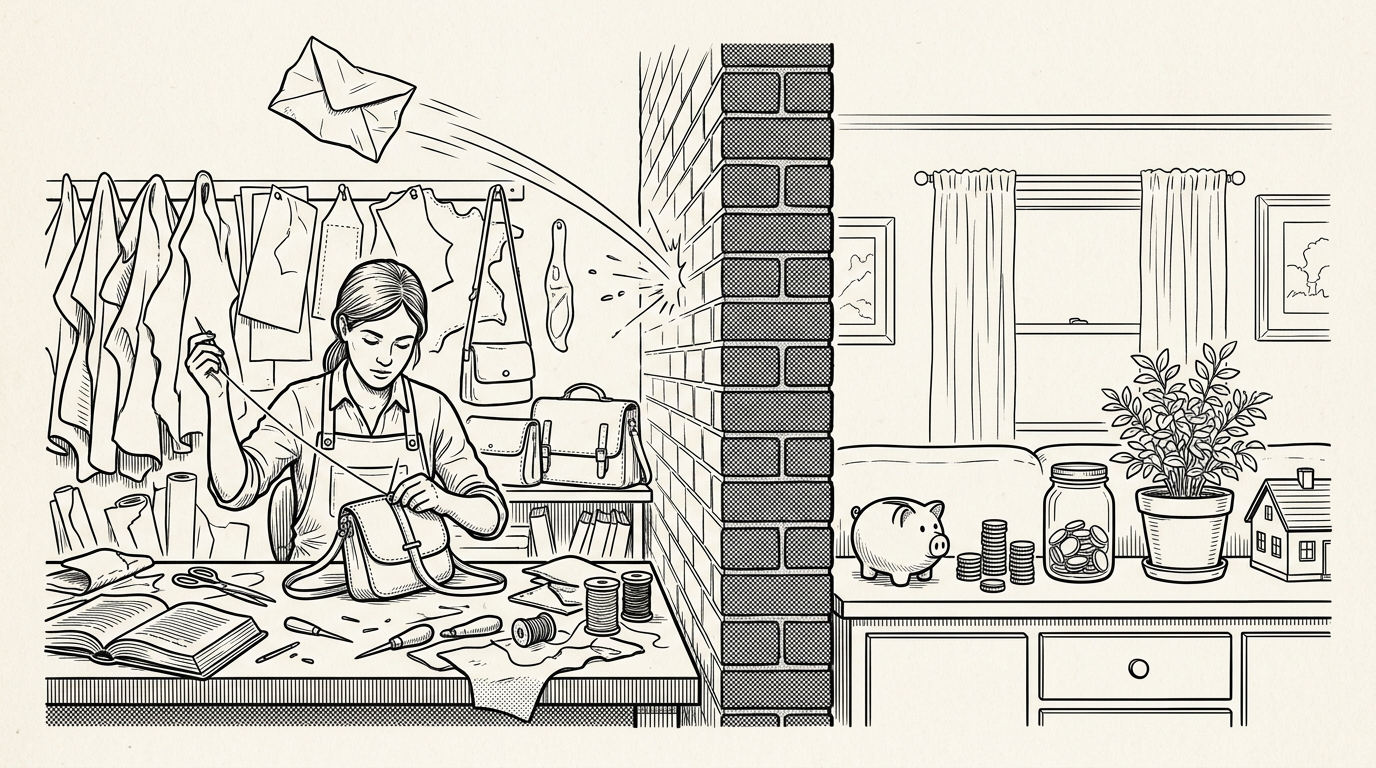
A solo leather-goods maker can start with a single-member LLC, so a supplier dispute is less likely to reach her savings.
Choosing between a C-Corp and an S-Corp
Both are corporations, each a separate legal person from its owners. A C-Corp faces double taxation, with profits taxed at the company level and again when paid to shareholders. An S-Corp uses pass-through taxation instead.
According to Ocker & Associates, PC, an S-Corp can have no more than 100 shareholders and may issue only one class of stock, which can limit flexibility.
Both come with a board, bylaws (internal rules), and compliance duties. A consultant planning to add several co-owners should weigh that 100-shareholder cap before choosing.
Private and public UK limited companies
In the UK, a private limited company (LTD) limits shareholder liability to their shares. Public limited companies work the same way, but they can trade shares publicly. Directors manage the company, while members own it.
Unlike a sole proprietorship, a limited company keeps going after its owner’s death.
Take two shareholders running a small UK consultancy: the company keeps trading if one of them passes away.
Outside the UK, you’ll weigh a close corporation (CC) against a proprietary limited company (Pty Ltd).
Neither is automatically better, so ask both the same questions: is it a separate legal person, how is it taxed, and what compliance duties come with it?
Non-profits and other mission-driven ownership
In mission-driven ownership, profits are reinvested in the mission. Common forms include:
- charitable foundations or trusts
- state-owned businesses (owned by government)
- benefit corporations, which are for-profit companies built around a public benefit.
A bakery that pledges its profits to a food bank needs a structure that matches that promise.
How Liability and Taxes Differ by Structure
We’ll look at two things: your personal exposure and your tax bill.
How to protect your personal assets
Sole proprietors have unlimited liability, so creditors can reach your house and savings. An LLC (limited liability company) generally keeps those debts with the business, but that protection depends on what you do, not just what you file.
Courts can pierce the veil if you commingle funds (mix business and personal money) or use the company for fraud. Keep records and maintain legal separateness.
Your LLC doesn’t replace insurance. Open a separate bank account before your first sale, so a freelance designer’s client payments stay distinct from her grocery money.
How each structure gets taxed
Sole proprietors report profit on a Schedule C and owe self-employment tax (Social Security and Medicare). Partnerships, most LLCs, and S corporations are pass-through entities: profit flows to your personal return.
A C corporation pays its own tax, then owners pay again on dividends: double taxation. An S corporation splits pay into a reasonable salary, which carries payroll tax, and distributions that generally aren’t: that’s the savings.
An LLC’s default treatment follows its owner count, but it can elect corporate treatment.
Built-in gains and other unusual tax rules
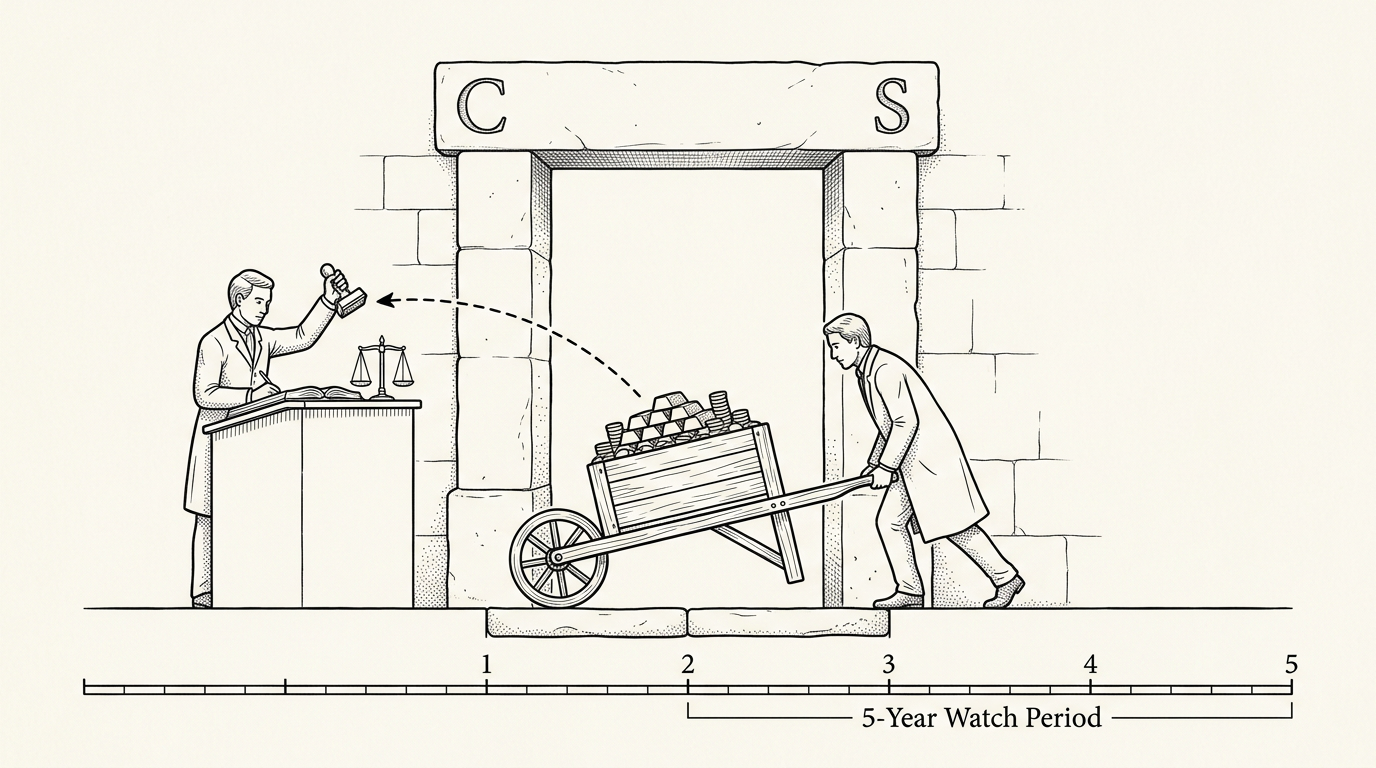
Converting a C corporation to an S corporation can be a taxable event: the built-in gains tax hits value the company already had.
The Tax Adviser’s gains and losses coverage notes it can be assessed during the five years starting with the first tax year the S election is effective.
A Fordham legal analysis notes that qualified small business stock (QSBS) may be eligible for a capital gains exclusion if requirements are met.
Real estate partnerships generally pass rental income to each partner’s personal return.
How Control, Growth and Funding Differ
Your structure decides who makes the calls, how you raise money, and what happens when someone leaves.
Who makes the calls in each structure
A sole proprietor makes every call alone: fast, but nobody to share the load. Add more owners and decisions are shared, so you’ll want an operating agreement (the rulebook for who decides what).
Corporations split the work: a board of directors oversees, and officers run things day to day. Founder vesting means shares are earned over time, so a co-founder who leaves early doesn’t keep the full stake.
How to raise money from investors
Venture capital (VC, investment money for fast-growing companies) requires a C corporation (a standard corporation taxed on its own profits). Common tools on that path include:
- Preferred stock: shares that rank ahead of ordinary shares when money is paid out.
- SAFEs (simple agreements for future equity): contracts that fund you now and convert to shares later.
- Stock option plans: rights that let employees buy shares later, a way to hire without cash.
An S corporation (a tax election that passes profits to owners) can’t take venture money.
Lenders also look warily at sole proprietors, since the owner and business are legally one.
Sole proprietors have limited equity (ownership they can sell), so outside money usually comes as a loan.
What happens when an owner exits
The business ends with its sole owner, while a corporation outlives its owners. A partnership ends when a partner leaves.
Owners can also sell or gift shares without ending the company. Passing to family is simpler, too: a candle maker whose daughter is ready to take over can transfer shares rather than start over.
Plan the exit early.
How to Pick the Right Structure
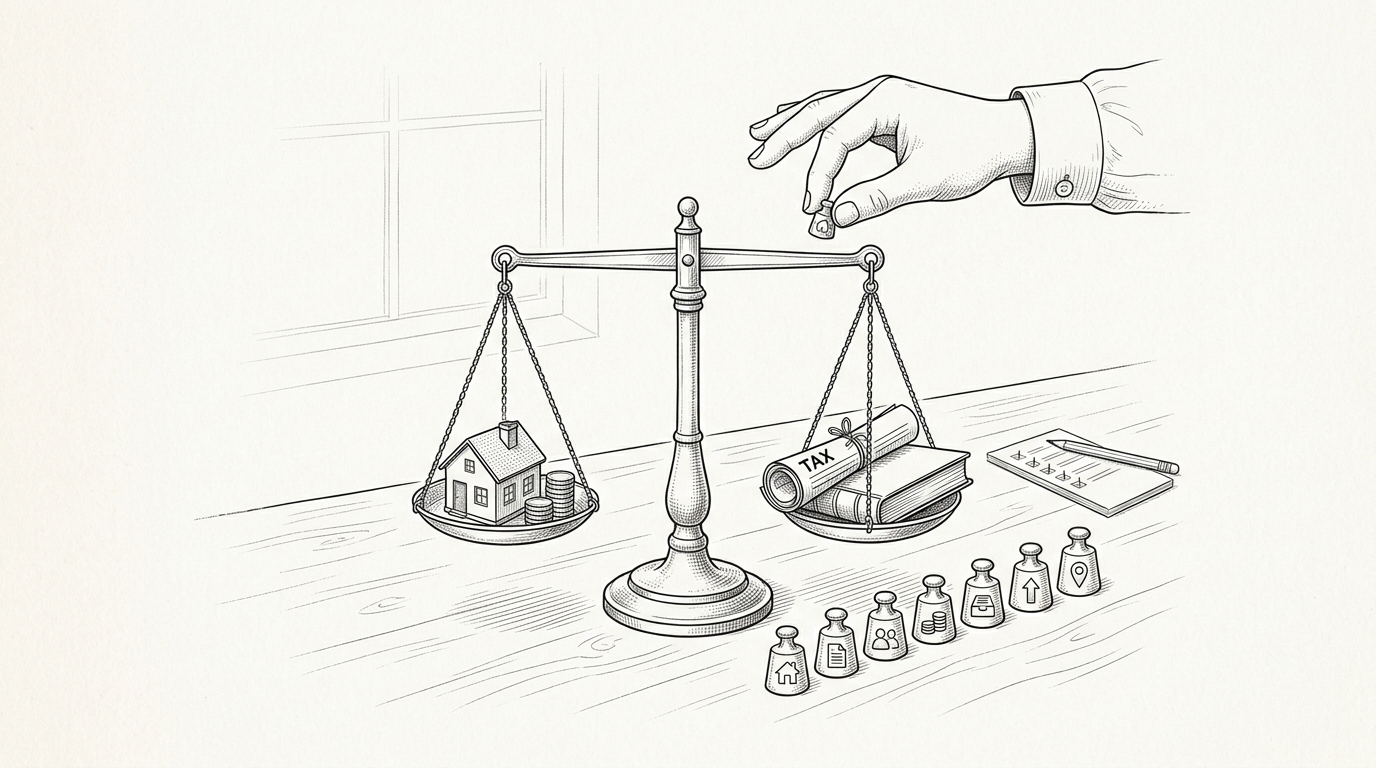
Picking a structure is less about the perfect choice and more about the one that fits your side hustle today. Weigh these factors first.
What to weigh before you decide
- Personal risk exposure. Whether your savings and home are at stake if the business gets sued.
- Tax treatment. Whether profit lands on your personal return or gets taxed inside the business.
- Number of owners. Whether you’re going solo or sharing the work and profits.
- Startup finance and costs. What it takes to set up, and how much cash you can put in.
- Administrative capacity. How much paperwork and bookkeeping you can realistically keep up with.
- Future flexibility and growth. Whether the setup can take on investors or a bigger payroll.
- Geographic footprint. Where you operate and sell, since rules differ by state and country.
Which structure fits your situation
- Freelancers: a sole proprietorship (you and the business are legally one) or an LLC (limited liability company, which separates personal and business debts).
- Profitable service business: an LLC taxed as an S-Corp (a corporation with its own tax rules) once profits are steady.
- VC-backed: a Delaware C-Corp (a standard corporation taxed on its own profits), the form venture capital (VC) investors usually back.
- Co-founders: an LLC for flexibility, or a C-Corp if you’ll bring in outside investors.
- Professional firms: a partnership, where owners share the business and its profits.
Take a freelance designer who just landed her first clients. She starts as a sole proprietor, then moves to an LLC so the business’s debts generally stay off her savings.
How size, industry and local law matter
- Structure varies by country. The names here come from United States law, and other countries use different forms.
- Size links to structure. A solo setup may need more formal rules once you add staff.
- Industry sector requirements. Some industries dictate how you organize or who can own the business.
- Law firms are legally partnerships. Many places require law firms to be partnerships, so the choice is made for them.
Local law gets the final say.
Switching to another structure later
- Sole proprietorship to LLC. This is usually the simplest switch: you form the LLC and move the business into it.
- LLC to S-Corp. It happens through a tax election, not a new company.
- Converting to a C-Corp is taxable. The conversion itself can trigger a tax bill.
- Attorney and CPA costs. An attorney (a lawyer) and a CPA (certified public accountant) may both bill you.
- Decide at formation. Pick the structure before you file, since switching later costs time and money.
Setup costs and when to call a pro
- State filing fees. Your state charges a filing fee, and the amount varies by state.
- Registered agent fees. A registered agent (who accepts legal papers for you) may charge a recurring fee.
- Ongoing compliance costs. Yearly reports, renewals, and bookkeeping keep costing money after day one.
- Consult an accountant or attorney. Talk to a CPA or attorney, especially if you’re weighing an S-Corp.
- Formation services like Atlas. These handle the filings for a fee, so compare that cost to your time.
Count the yearly total, not just the filing fee.
Choosing a business ownership type doesn’t lock you in forever. Match your structure to your current risk, your tax picture, and your goals, then revisit it as the side hustle grows.
Keep the paperwork simple at first, and upgrade when the stakes rise enough to justify the extra steps.
The structure that protects you best isn’t always the one you need on day one. Start where you are, and let your business tell you when it’s time to level up.
References
- The New Section 1202 Tax-Free Business Sale: Congress Rewards Small Businesses That Survived the Great Recession — ir.lawnet.fordham.edu (2012)
- S-corporations 101: FAQs for business owners — ocker.cpa
- Corporations — thetaxadviser.com
Questions
What is sole proprietorship?
A sole proprietorship is a business owned by one person with no separate legal entity, so the owner and business are legally one. The owner keeps the profits and has full control, but is personally responsible for business debts and liabilities.
What is better, a CC or a PTY Ltd?
Neither a CC nor a Pty Ltd is automatically better; the right choice depends on the country’s laws, taxes, liability rules, and compliance requirements. Compare whether each is a separate legal person, how it is taxed, and what ongoing duties it requires.
What is an LLC and how does it work?
An LLC, or limited liability company, is a legal entity separate from its owners that generally helps keep personal assets apart from business debts. It can have one or several owners, be run by its members or appointed managers, and is usually taxed as a pass-through entity by default.
What is a business structure?
A business structure is the legal form a business takes. It determines who owns and manages the business, who is responsible for its debts, and how its profits are taxed.
What are the different types of businesses?
Common business ownership structures include sole proprietorships, partnerships, LLCs, corporations, private and public limited companies, and mission-driven organizations such as nonprofits and benefit corporations. The available forms and their rules vary by country.
Can you give me some examples of businesses?
Examples of businesses include a freelance design practice, a lawn-mowing service, a candle-making company, a retail shop, a consulting firm, and a bakery. Businesses can also be grouped by activity, such as retail, manufacturing, or professional services.
Sources
- S-corporations 101: FAQs for business owners | Ocker & Associates, PC, ocker.cpa
- Corporations - Gains & Losses, thetaxadviser.com
- The New Section 1202 Tax-Free Business Sale: Congress Rewards Small Businesses That Survived the Great Recession, ir.lawnet.fordham.edu,