5-2
Customer segmentation: A Complete Guide for Any Business
Customer segmentation helps you tailor offers to regulars, first-time buyers, and bulk customers, then build and measure useful groups with a tiny list.
- Written by

- Published
- Updated
- Reading time
- 15 min read
- Sources
- 9 cited
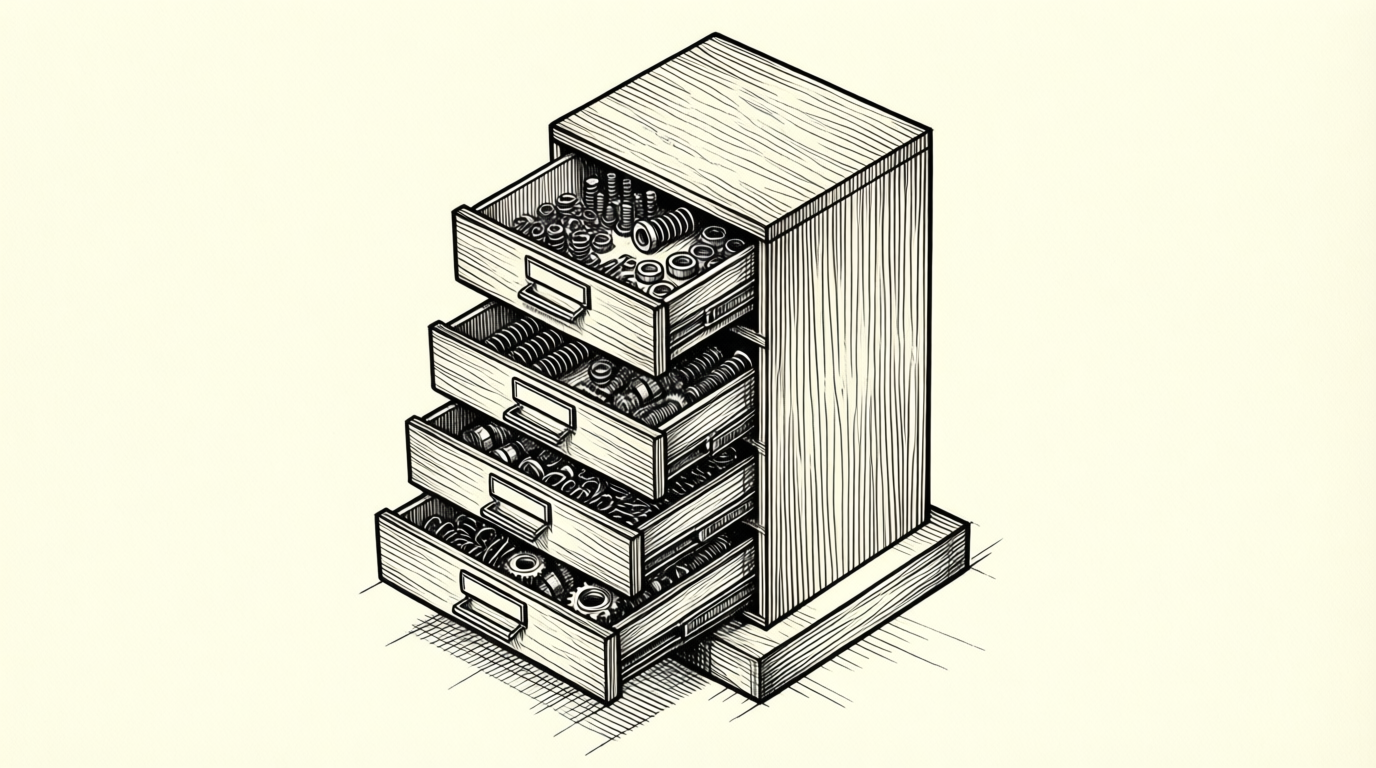
Customer segmentation is the practice of grouping existing customers by shared traits, needs, or behaviors so you can tailor how you serve and communicate with them. Start with a clear business goal, use reliable purchase data and customer feedback to find a few actionable groups, then test relevant offers and measure results. In practice, even a small customer list can guide better messages, product choices, and spending, as long as you keep segments useful and update them as customers change.
In this guide
Picture a farmers market stall. Regulars grab their usual loaf and chat about your week, first-timers want a taste before they buy, and the café owner wants bulk pricing. You wouldn’t pitch all three the same way.
That’s the heart of customer segmentation: sorting customers into groups that share something meaningful, so you can treat each one the way it actually wants to be treated.
This guide walks through what segmentation means, why it pays off, the main customer types, how to build and measure it, and a practical path for tiny customer lists with no data team.
What Customer Segmentation Actually Means
Do all your customers want the same thing? Probably not.
Grouping customers by what they share
Customer segmentation sorts your customers into groups that share traits, so each group gets messaging and offers that fit.
Take a side hustler selling leather wallets. Gift shoppers want a holiday bundle, while repeat buyers want early access to new colors. Same product, two reasons to buy.
Segmentation moves you from broad to targeted: a segment is a broad group, a persona is a sketch of a typical member, and a micro-segment is a small slice within one.
Customer types are the groups this sorting produces. Test each one: does it change what you’d say or offer?
Similar terms and what sets them apart
Market segmentation covers the whole market, including people who’ve never bought from you. Customer segmentation works only with your existing buyers.
Segmentation is about sorting. Targeting is about choosing which groups to chase.
STP, short for segment, target, position, works in three steps:
- Segment: split the market into groups.
- Target: pick the groups worth your time.
- Position: decide how each should see you.
Segmentation analysis checks that your groups behave differently and are big enough to matter.
With a tiny list, you may only have a segment of one, a single buyer with needs of their own. That’s still segmentation, just a small one.
B2C and B2B segmentation compared
B2C (business-to-consumer) segments run on lifestyle and needs, like a busy parent versus a retiree.
B2B (business-to-business) segments lean on:
- industry
- company size
- revenue
B2C asks who the shopper is, while B2B asks what the company already runs. That’s where the tech stack comes in: the software a business already uses.
A bookkeeper whose restaurant clients all run the same register software can build one checklist and save an hour per client.
What You Gain from Segmenting Customers
Segmenting pays off in a few practical ways, starting with treating buyers as groups instead of one crowd.
Spend less and convert more buyers
Think of a candle maker whose email list has 400 names, but only 60 have ever bought. Segmenting lets her send restock notes to those 60 and skip the rest, so her ad money goes where the buying happens.
That’s smarter budget use, the heart of cost-effective selling. Messages written for one group also convert better because they speak to a need that group already has. The goal isn’t to reach more people. It’s to reach the right people.
Keep customers coming back and spending more
Segmenting also helps you keep the buyers you have:
- Engagement and loyalty. Messages that match past purchases feel personal, which keeps buyers engaged.
- Higher customer lifetime value. The total profit a customer brings you over the whole relationship.
- Repeat purchases, upsell, and cross-sell. An upsell is a bigger or better version of what someone bought. A cross-sell is something that goes with it.
Focus your effort on profitable customers
Consider a side hustler who makes custom dog collars. Pet owners buy one at a time, but a local shop orders in bulk, and those orders eat most of her evenings for thin margins. So she puts her best effort into owners who pay full price.
Segmenting helps you identify high-value groups and send them your best offers and quickest replies first.
It also helps you spot underserved segments: groups that keep asking for something nobody sells, like a bigger size or easier care instructions. The aim is profit rather than volume.
Use insight to improve products and service
Your segments also show you what to build next and how to talk to buyers:
- Better product decisions. The collar maker tests a lighter buckle with small-dog owners before a full run.
- Personalized customer service. A reply that mentions a buyer’s last order feels like a human touch.
- Lower product failure risk. Testing with one segment means a flop costs one small batch, not your whole inventory.
What the numbers show about personalization
According to McKinsey research reported in the Financial Times, 71 percent of customers expect relevant personalized communications from brands, and 76 percent feel frustrated when they don’t get them.
Expecting personalization and paying extra for it are different things. A 2024 study by Tomczyk and colleagues highlights that customers generally expect personalization but aren’t always willing to pay a premium for it.
A research project on a Nordic bank used focus groups to study how its online customers perceived personalized marketing messages. Test your own messages before you scale them up.
Personalization is often pitched as a revenue booster, but don’t bank on a specific percentage. Track your own repeat sales before and after you personalize.
What Are the 8 Types of Customers?
Customers don’t come in neat boxes, but these lenses cover how most small sellers sort their buyers, from who they are to what they’re worth.
Looking at age, income and background
Demographic segmentation sorts people by:
- age
- gender
- income
- occupation
- family
- education
The question isn’t just who buys but what they can afford. The good news is that this data can be collected through a simple signup form.
Think of a side hustler selling handmade wallets. A college student wants a first one, and a nurse wants a gift. So she offers a starter wallet and a gift set.
Grouping customers by where they live
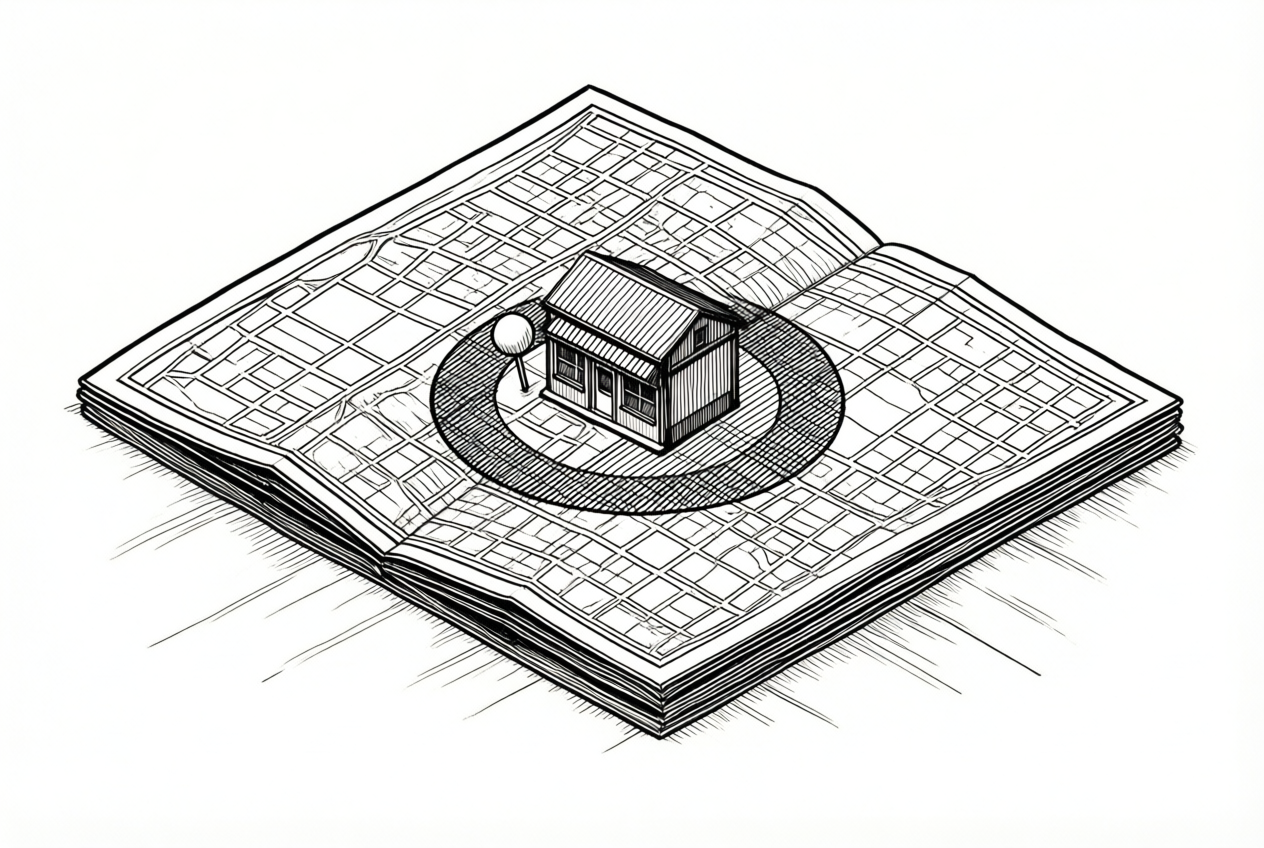
Geographic segmentation groups customers by country, region, or zip code. Urban vs. rural buyers may expect different delivery and store access.
Climate, language, and time zone matter as well. Winter boots sell very differently in July than in January, and a buyer who can’t read your support emails can’t ask for help. Time zone decides when you post.
Local ad targeting is where this pays off. A dog groomer with one shop can aim her ads at a short radius around it, so every dollar reaches someone who can actually book.
Understanding customers by interests and values
This is where you look past the paperwork. Psychographic segmentation groups people by interests, lifestyle, opinions, and values. Interests tell you what someone enjoys. Values tell you why they’ll pay for it.
Social status shapes what feels like a treat. Personality and attitudes shape how much reassurance a buyer needs.
A freelance yoga instructor selling mat bags keeps hearing buyers say “slow,” “local,” and “made to last,” so she rewrites her product page with those words. Buyers see their own reasons right there.
Sorting customers by what they actually do
Behavioral segmentation groups customers by what they do. Demographics tell you who someone is, but behavior shows what they’ve already done, which is usually the clearer signal. Four signals are worth tracking:
- Purchase history: what they bought and how often.
- Usage frequency: how often they use or visit.
- Loyalty and engagement: whether they open emails, reply, or refer friends.
- Customer journey stage: where they sit, from first visit to repeat buyer.
A side hustler selling printable planners sends her bundle offer first to the buyers who came back for refills.
Ranking customers by how much they are worth
Customer lifetime value is what one customer is worth to you over time. Tiers, such as top, middle, and occasional buyers, show where your attention pays off.
Perks for top customers needn’t be fancy. A thank-you note or a small discount makes them feel noticed.
Price sensitivity is how much a higher price would push a buyer away. Willingness to pay is the highest price they’d accept. Past spending shows what someone did pay. Willingness to pay shows what they would pay.
A meal-prep side hustler gives her regulars early access to the next menu. Small perks, big loyalty.
Less common ways to group customers
If you sell to other businesses (business-to-business, or B2B), firmographic segmentation is the business version of demographics, grouping companies by:
- industry
- size
- annual revenue
Technographic segmentation groups customers by the devices, software, and apps they use. A freelance web designer might target local shops that already run bookings through an app she knows well.
Needs-based segmentation groups people by the problem they’re solving, not who they are. Two people can order the same meal kit: one wants dinner fast, the other wants to learn to cook. Same box, different job.
Steps for Building Your Segmentation Strategy
Work through these steps in order, since each one feeds the next.
Set goals and pick your first segments
Start with a business goal, like repeat orders or higher prices. Your goal decides which shared trait defines a customer segment: a group of buyers who have it. Keep the first pass to a few segments, and get sales, support, and shipping on the same names.
A launch favors early buyers; a retention push favors repeat buyers. Test one segment first, aiming for segments you can act on, not ones you can admire.
Gather and check your customer data
Pull records from your customer relationship management (CRM) tool, email list, and analytics into one place, even if it’s a spreadsheet. Surveys, interviews, and focus groups (small guided conversations) show why people buy, not just what they bought.
Find gaps, like missing order dates, and fill them going forward. Check quality too: one customer entered under three spellings looks like three small buyers. Messy data misleads.
If your data is thin, start with 20 customer interviews about what made people buy.
How do you identify customer segments?
You identify segments two ways: by counting what customers do and by hearing why they do it.
On the numbers side, RFM (recency, frequency, and monetary value) scores buyers on how recently, how often, and how much they spend, while clustering groups buyers by similar patterns.
On the listening side, interviews and sentiment (the tone of replies and reviews) explain those patterns. Blend both into data-driven buyer personas, short profiles of a typical customer.
Match the method to your data: long purchase histories favor RFM, short lists lean on interviews.
Label your segments and automate assignment
Name each segment so anyone can read it, using tags (labels on customer records), saved lists, or color-coding. Set rules, such as ‘bought more than once this year,’ so customers move in on their own.
Avoid manual segmenting at scale, since it falls apart as the list grows. Let rules do the sorting and people do the deciding. Limit editing to one or two people, or the same customer lands in two groups.
Choose your target and position for it
Choose the most profitable segments first: those that cover costs and leave margin you can live on. A customer segment matrix is a grid plotting segments on two measures, like spending and purchase frequency, so the best groups stand out.
Position your product for that target using the 4 Ps (product, price, place, and promotion, the levers you control). Before you commit, survey a sample of your target audience, not just your most loyal fans.
Here’s how a side hustler selling handmade leather wallets works through it:
- Goal: fill her Saturday market stall with repeat buyers.
- Segments: people who bought once, and people who came back.
- Matrix: plot both by how often they buy and what they spend, so returners land in the high-value corner.
- Target and test: offer returning buyers early access to new colors, and she stops discounting for people who’d come back anyway.
Where Your Data and Tools Come From
Before you segment anyone, you’ll need a place to keep their information and a way to hear from them.
Choosing segmentation software and platforms
Your customer relationship management (CRM) tool and email platform can both group people by what they buy. Check these four things:
- Marketing automation: sends the right message to each group automatically.
- Analytics and visualization: charts showing who buys and how often.
- Ease of use and scalability: something you’ll open every week that still works as you grow.
- Free start: a spreadsheet and a free email tier are plenty early on. Simple beats powerful at this stage, and you can begin for free.
Using surveys and market research
Surveys let you ask instead of guess. A market research survey asks buyers what they need, and a panel survey re-asks the same people over time to show what changes.
An audience panel is a group that matches your ideal buyer, and screening questions confirm each person fits. A representative sample mirrors your real customers. For a small seller, who’s in the sample matters more than its size.
A dog walker screens her current clients, then surveys them about schedules and prices. She learns who wants weekend slots, so she’ll know if a weekend service is worth launching.
Listening to social media and customer feedback
Customers already talk to you in comments and reviews. Listening costs nothing but attention.
- Sentiment-based segments: group people by how they feel about you.
- Social signals and affinities: notice what customers follow, share, and comment on.
- Net Promoter Score (NPS): a single question about how likely people are to recommend you, which sorts them by enthusiasm.
Feedback analysis means tagging each comment with a word like shipping or price until the groups show themselves.
Real Ways Teams Put Segments to Work
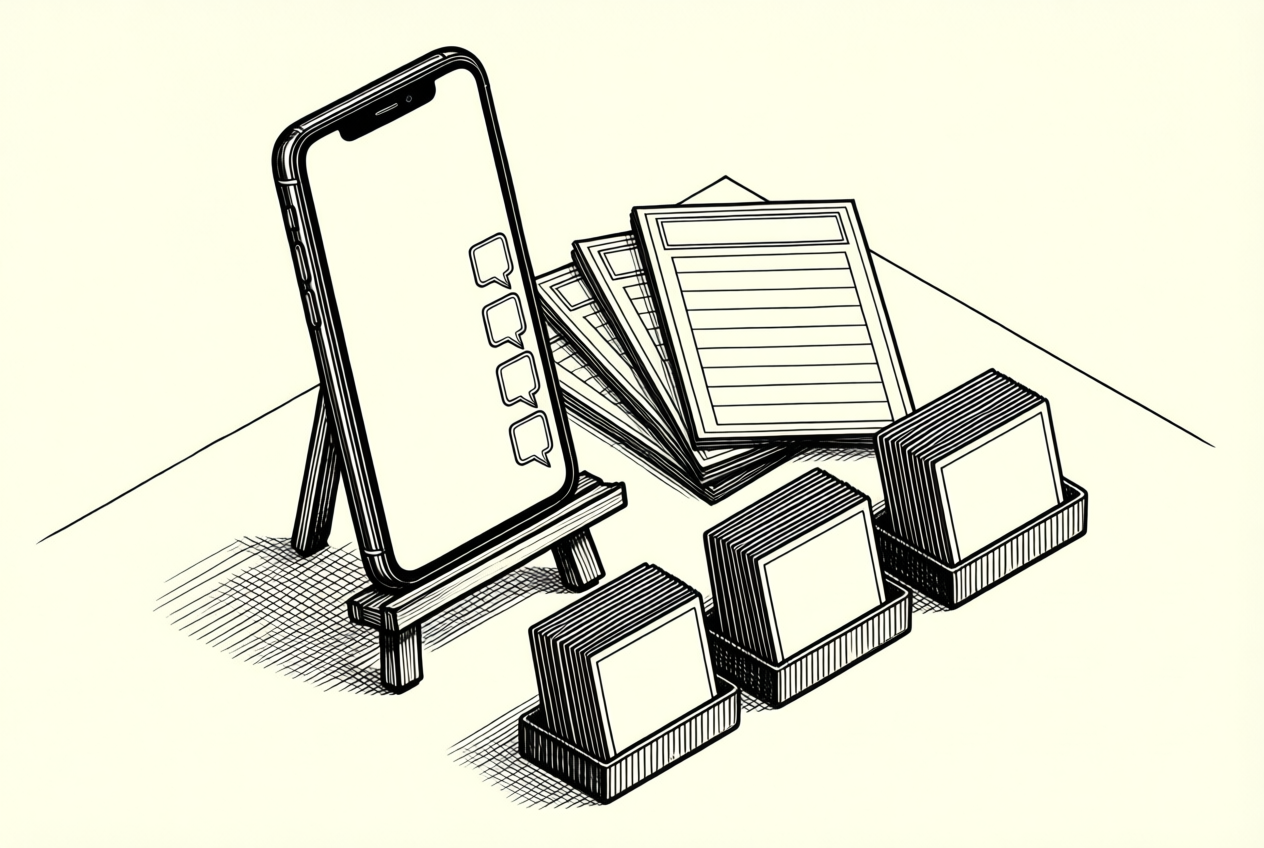
Splitting customers into groups only pays off when you act on the split.
Running campaigns for each segment
Use segment-based email to send each group a message about what it cares about. Targeted ads follow the same logic. Dynamic content personalization swaps headlines and offers for each reader, and website personalization tailors your whole storefront.
Think of a home baker who takes custom cakes. She sends wedding planners tiered-cake details and birthday parents a quick order form, saving her from repeat questions.
Shaping support and the customer experience
Channel preference can differ by age.
Forrester’s May 2025 Consumer Pulse Survey found Baby Boomers and Gen Z US online adults share the same preferred customer service channels, but to different degrees, so you’ll want to check what your own customers use.
Personalized support means the person replying already knows the customer’s segment. A freelance bookkeeper might route ongoing clients to a direct line and one-time clients to a self-serve guide, so each gets the help that fits.
Negative reviews deserve the same thinking. Same complaint, different reply, depending on who wrote it.
Guiding product, pricing and sales choices
- Feature and pricing decisions: Ask which segment would pay for a feature, and what price they’d accept.
- Sales prioritization: Rank leads by fit, so your limited selling hours go where they pay off.
- New product ideas: Your most loyal segment can point you toward what to build next.
Brand case studies to learn from
- Comcast’s student offer: Comcast Corporation says university students living off campus may be eligible for exclusive deals for as low as $25 per month, a clear case of segmenting by student status.
- Vodafone’s fifth-generation (5G) network: A study of that network notes that pricing “will be done differently for each segment that Vodafone targets.”
- Argos, Pinterest, and Dove: All three are cited as segmentation or personalization examples. For Dove, the Path to Purchase Institute describes Unilever’s “Your Style Made Simple” program, an omnichannel (all-channel) effort led by Unilever brands including Dove.
- McDonald’s regional menus: An analysis of McDonald’s menu notes that locations outside the U.S. have “altered their menus to reflect regional tastes.”.
How AI and Live Data Change Segmentation
Keeping segments accurate is the hard part, and artificial intelligence (AI) and live data now handle much of that work.
Letting AI build and update segments
Hand sorting breaks down as your list grows. AI tools can take over in three ways:
- Automatic segment updates. You set the rules once, and customers move between groups as their behavior changes.
- Unsupervised clustering. The software groups people by similarity without you naming the groups first, so it can reveal patterns you didn’t expect.
- Behavior pattern analysis. The tool tracks what people actually do, like how often they reorder, not just what they say.
Think of a side hustler who sells hand-poured candles. Her tool spots the buyers who reorder regularly and adds new repeat buyers automatically, so restock reminders go out without a spreadsheet.
For a look at adoption, see the Marketing AI Institute’s 2024 State of Marketing AI Report, which draws data from almost 1,800 marketing and business professionals on how they use AI.
For your side hustle, sort by hand first so you know what to hand off later.
Tiny segments that react in real time
Live data shifts the focus: less about how many people you reach, more about when you reach them.
- Cart abandonment segments. These group people who added items to a cart and left without buying.
- Highly narrow micro-segments. Groups as small as a handful of people, like last month’s buyers of one product, so messages feel personal.
- Real-time behavioral triggers. A specific action, like leaving a cart, fires a message while interest is still fresh.
A nudge sent while someone still has the product in mind beats one sent a week later. Timing counts.
Measuring Results, Testing and Pitfalls to Avoid
A segment only matters if it moves your numbers, so we’ll cover measuring that, testing first, and avoiding the costliest mistakes.
The numbers that show your return
Track these for each segment:
- Conversion rate: the share of visitors who buy.
- Engagement rate: opens, clicks, and replies. Only purchases pay the bills.
- Customer lifetime value (CLV): the total a customer spends with you over time.
- Churn: the share of customers who stop buying in a set period.
- Average order value (AOV): the typical amount spent per purchase.
For the bottom line, use the return on investment (ROI) formula: (revenue from the segment minus what reaching it cost) divided by that cost, times 100.
Maya sells candles on the side. She emails a November gift reminder only to past gift buyers. When the numbers show they reorder more, she stops paying to email people who never buy.
When you share results, lead with one number per segment and your next move.
Testing segments before you roll out
Don’t roll out a segment on a hunch. Compare it to a control group: customers who keep getting your usual message.
- Pilot before rollout: test the new message on a small slice first, then watch the results.
- A/B testing by segment: show two offers to similar customers and see which wins, since winners often differ by group.
- Test and refine continually: run the next test on the winner.
Mistakes teams make with segments
- Vanity data segmentation: splitting customers by details that look impressive but don’t change buying, like post likes. Segment on what people buy, not what they like.
- Too many micro-segments: a dozen groups with a couple of buyers each leaves you guessing. Each segment needs enough customers that one odd order can’t swing it. Small samples lie.
- Not validating segments: assuming a group behaves differently without checking. Confirm it before you build a campaign on it.
- Same messaging for all: one email to every group ignores why each group buys.
Keep refining segments as people change
- Quarterly segment reviews: every three months, check each segment’s size, conversion, and churn.
- Track segment movement: watch customers shift groups, like a first-time buyer turning repeat. Those moves show what’s working.
- Adapt to behavior shifts: when buying changes, update the segment instead of forcing people into an old label.
Customers change. Your segments should too.
Segmentation isn’t about building a complicated model or buying expensive software. It’s about noticing the differences that already exist between your customers and acting on them.
Start with the groups you can already see, and let them guide your pricing, messages, and offers.
Measure what changes, keep what works, and adjust what doesn’t. Even a short list of customers can teach you something real. Small steps add up, and you don’t need a data team to start.
Your customers are already telling you who they are. Segmentation simply helps you listen.
References
- Machine learning-driven customer segmentation: Exploring customer expectations of personalization and willingness to pay — eprints.bournemouth.ac.uk (2024)
- Personalized marketing messages in an online banking context: Does anybody notice? — aisel.aisnet.org (2008)
- Design, deployment and SW validation to virtualize a mobile data core network to use 5G technology in Vodafone — oa.upm.es (2018)
- MCDONALD’S AND ITS MENU — scholarworks.utrgv.edu (2017)
- Hyper-personal shopping: how agentic AI is changing online retail — ft.com (2025)
- Brands Must Adopt An Omnichannel Approach For Customer Service — forrester.com (2025)
- Unilever Case Study: ‘Your Style Made Simple’ — p2pi.com (2025)
- The 2024 State of Marketing AI Report from … — marketingaiinstitute.com
- Prepare For the New School Year With Fast, Reliable and Affordable Internet Starting at Only $25 — corporate.comcast.com
Questions
What is the use of segmentation?
Customer segmentation groups customers who share meaningful traits so businesses can tailor their messages, offers, products, and service. It helps focus time and budget on the customers and needs most likely to matter.
What is behavioral customer segmentation?
Behavioral customer segmentation groups customers according to what they do, such as what and how often they buy, how they engage, and where they are in the customer journey. These actions can help indicate what offer or message is relevant to them.
What is segmentation analysis?
Segmentation analysis checks whether proposed customer groups behave differently and are large enough to matter. It can use purchase data and methods such as RFM or clustering, alongside interviews and feedback to understand why customers behave as they do.
What is the importance of customer segmentation?
Customer segmentation helps businesses send more relevant messages, use budgets and effort more effectively, encourage repeat purchases, and identify valuable or underserved groups. It can also guide product, pricing, and service decisions while reducing the risk of testing ideas at full scale.
What is a customer segment matrix?
A customer segment matrix is a grid that plots customer segments against two measures, such as spending and purchase frequency. It helps show which groups are more valuable and may deserve priority.
What are the four main types of market segmentation?
The four main types of market segmentation are demographic, geographic, psychographic, and behavioral. They group people by characteristics such as age or income, location, interests or values, and actions or purchase patterns.
How does market segmentation impact product development?
Market segmentation helps product teams identify different customer needs, test features with a relevant group, and decide what to build or improve. Testing with one segment first can reveal problems with less risk than launching a product change to everyone.
What does it mean to segment clients?
To segment clients means to sort them into groups that share relevant traits, needs, or behaviors. The groups can then receive products, messages, and service suited to their circumstances.
Sources
- Machine learning-driven customer segmentation: Exploring customer expectations of personalization and willingness to pay, eprints.bournemouth.ac.uk,
- Hyper-personal shopping: how agentic AI is changing online retail, ft.com,
- Personalized marketing messages in an online banking context: Does anybody notice?, aisel.aisnet.org,
- The 2024 State of Marketing AI Report from ..., marketingaiinstitute.com
- Brands Must Adopt An Omnichannel Approach For Customer Service | Forrester, forrester.com,
- Prepare For the New School Year With Fast, Reliable and Affordable Internet Starting at Only $25 | Comcast Corporation, corporate.comcast.com
- Design, deployment and SW validation to virtualize a mobile data core network to use 5G technology in Vodafone, oa.upm.es,
- Unilever Case Study: 'Your Style Made Simple' | Path to Purchase Institute, p2pi.com,
- MCDONALD’S AND ITS MENU – WHAT ARE THE IMPLICATIONS?, scholarworks.utrgv.edu,