4-11
Digital Marketing Examples That Work, and Why
Digital marketing examples show how email, social, search, and content campaigns spark action, with ideas small businesses can adapt on a budget.
- Written by

- Published
- Updated
- Reading time
- 7 min read
- Sources
- 3 cited
Digital marketing examples are real campaigns that promote a business online through channels such as search, social media, email, video, and useful content. The strongest examples focus on a specific audience and goal, offer something relevant or helpful, and adapt the idea to the channel and available budget rather than copying a big brand’s spending. In practice, start where your customers already spend time, choose one clear result to measure, and use what works to guide your next step.

In this guide
Think about the last time a local coffee shop emailed you a deal and you actually walked in. That’s the kind of result digital marketing aims for: a small, well-timed message that reaches the right person.
Put simply, it means promoting a business through online channels like email, social media, search, content, and paid ads.
In this post, we’ll look at how each channel works, what made certain examples stand out, and what a solo owner on a small budget can copy.
Digital Marketing Examples and Campaign Basics
Before the examples, here’s what a digital campaign is and what makes one work.
What a digital campaign really is
A digital campaign is a goal-driven effort.
According to a Champlain College Online post, campaigns use search engine optimization (SEO), social media, and email to pursue defined goals, reaching audiences through digital channels rather than relying only on traditional marketing.
Popular ideas for digital marketing are the channels used most often today:
- SEO. Making pages easy to find in search results.
- Pay-per-click (PPC) advertising. You pay each time someone clicks.
- Social media marketing. Posting where customers already spend time.
- Content marketing. Helpful articles, videos, or guides.
- Email marketing. Messages sent straight to your list.
Paid advertising means paying to put your message in front of people, like PPC ads.
Take a freelance bookkeeper who wants five new clients by spring. She tunes her services page for local search and emails past clients for referrals. Both aim at one goal, so by spring she’ll know what worked. That’s a campaign.
Ways to make a campaign succeed
- Know your audience. Write down who you want to reach first.
- Define goals and a schedule. Pick one goal and a date to check it.
- Assess your budget. Decide what you can spend monthly, including your own hours.
- Pick the purpose. Build brand awareness so people remember your name, or growth so more people buy.
How to learn from these examples
Treat each example as inspiration, not an exact playbook. Check it against your customers and product:
- Would your customers respond the same way?
- Does your product solve the same problem?
- What one result would show it worked, and by when?
Pull one takeaway from each, then shrink it to fit: a big brand’s weekly email series can become one monthly note.
Copy the logic, not the spend.

Brand Examples Grouped by Format
The same message can land in one format and fall flat in another. Here’s what each format does and what a solo owner can borrow.
Blogs and content hubs that tell stories
A content hub is a site section that gathers related articles in one place. The best ones tell stories:
- Custom-designed storytelling blogs. Built around the brand’s own look and voice.
- Audience-focused, not product-focused. Posts answer the questions readers are stuck on.
- Standalone industry blogs. They cover the whole field, not one brand.
- Feature-journalism style writing. Longer reported pieces with a clear narrative.
A solo bookkeeper who posts a weekly tax tip helps before she sells, so owners searching those questions find her first.
Search and local SEO (search engine optimization) works the same way: a bakery posting about neighborhood events helps nearby searchers find it.
Video campaigns that stand out
Video works best when it shows something real.
- Customer case study videos. Prospects see themselves in a story, not a spec sheet.
- Humorous tutorial libraries. Short, funny how-tos give viewers a reason to return.
- Employee story videos. Staff talking about their work add a human face.
- ASMR product video. ASMR (autonomous sensory meridian response, a soft, whispery style) makes ordinary products oddly watchable.
- Super Bowl influencer ad. A big-game spot borrows an influencer’s audience.
A big-game spot is a stretch for most solo owners, but the idea scales down. A candle maker filming 30 seconds of wax pouring on her phone shows buyers exactly what they’re getting.
Hashtags and social campaigns that engage
- Hashtag-driven engagement. Customers share their own photos under one tag.
- Facebook ads driving adoption. Targeted ads nudge a specific audience to try something.
- Social storytelling for brand building. Posts about the people behind the work build familiarity.
- Cross-platform Twitter and Instagram. The same campaign, shaped for each feed.
Aim for replies over impressions. A freelance photographer who asks clients to tag her in their shoot photos gets new names with no ad budget.
Emails and visuals that hold attention
- GIF-rich campaign emails. A short looping animation (a GIF) shows a product in use without a heavy video.
- Animated infographic. A step-by-step chart helps readers follow an idea.
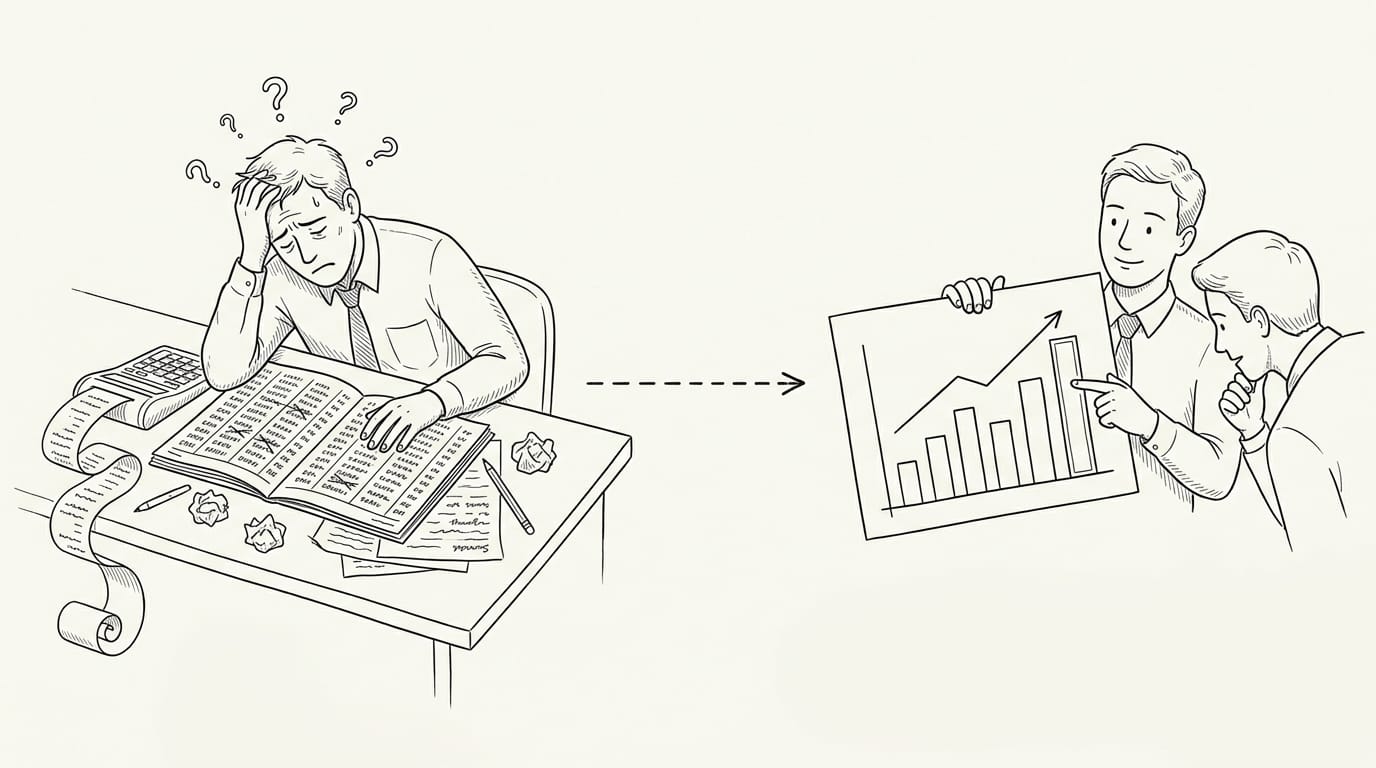
- Data visualization for B2B. For business-to-business sales, a clean chart turns numbers into a picture buyers can pass along.
Raw numbers make readers do the math. A chart does it for them.
Nonprofit campaigns across several channels
- Charity awareness and fundraising. One push can raise awareness and donations together.
- Landing page plus video plus social. A landing page (one web page built around a single action) hosts a video that social posts point to.
- Single big message. Every channel repeats one idea.
A small shop raising money for a food pantry can copy this with one page, one clip, and a few posts.
Campaigns Built on Purpose and Emotion
Memorable campaigns start with a feeling, not a feature. Here’s how three approaches work and what you can borrow.
Nostalgic stories that move people
Nostalgia warms people up before they weigh anything new. Volkswagen’s farewell to the classic Beetle leaned on that warmth while pointing toward an electric future, according to a Finnish study of electric car ads.
Look back warmly, then point forward, not back.
A Times Square billboard takeover shows the same idea at full scale, but you can copy the feeling from your own phone. Views and hashtag counts look like wins, but check whether the story led to a sale.
Think of a side hustler selling candles who shares the story of her first batch. If customers mention it when they reorder, it’s doing real work.
Brands that take a stand on issues
Some brands take public stands, such as challenging toxic masculinity. It can attract non-customers, but also put off people who disagree, so pick a stand you’d defend.
Pairing a hashtag with a charity donation gives people an easy action. A solo owner can copy it by picking one cause customers already care about.
The same goes for human-centric brand values: show the people behind the work, and let your values show in how you treat customers.
Why real customer stories build trust
Authentic customer-centred content means building posts from what customers actually say. Real beats polished. Think of a freelance bookkeeper who posts a short quote from a client about calmer tax season, with permission.
A prospect sees someone like themselves, not a sales pitch.
Delighted loyal customers can tell your story for you, so give them a reason, like a thank-you note or a feature on your page.
That’s trustworthy peer-based marketing: recommendations from people like your buyers. Their word carries more weight than your pitch because they have no reason to sell.

Content Marketing for B2B and Dull Industries
Buyers in business-to-business (B2B) and dull industries still search for answers before they spend money, so your goal is to be the most useful result.
Making serious topics feel engaging
Overcoming a boring reputation starts with the writing. According to research on B2B digital content marketing, actionable guides can make serious or traditionally unengaging industries more interesting to readers. Aim to be useful before clever.
Think of a freelance bookkeeper who writes a plain-English guide to quarterly tax deadlines. Her guide answers the questions she’d otherwise repeat on every first call, which saves her time. Clarity does the work.
For a solo owner on a small budget, an actionable guide is a practical place to start. Pick one question customers ask every week and answer it step by step. Finding out which questions customers actually ask is the work of marketing research.
A guide that answers real questions can also help your rankings (where you appear in search results), bring in more traffic, and lift conversions (visitors taking the action you want).
Tactics that work for B2B and SaaS
For a software as a service (SaaS) product, a case study tells the story of one customer solving one problem: where they started, what changed, and what they gained. Ask a happy early customer for permission to share their story.
A webinar is a live or recorded online talk, a report shares original findings, and a whitepaper is a detailed guide to one problem. Choose the one that fits what you already know.
Soft-sell product content shows your product at work without the hard sell. Walk through one task and add a single, low-pressure link at the end. The aim is showing what your product does rather than pushing it.
Education-led content teaches before it sells. Answer the question behind the purchase, such as how to compare options, and your product becomes the natural next step. The sale can wait. The steps a buyer takes before that sale make up a marketing funnel.
The best digital marketing examples share a simple pattern: they pick one channel, speak to one real person, and give that person a reason to act. You don’t need a big team or a huge budget to borrow that approach.
Start with the channel your customers already use, copy what fits your margin, and skip the flashy tactics that don’t fit. Let the results, not the hype, guide what you do next.
References
- Tulevaisuutta tylsistämässä? Autoilun myytit ja nostalgia Fordin, Peugeotin ja Volkswagenin sähköautomainoksissa — utupub.fi (2025)
- Traditional Marketing vs. Digital Marketing: What’s the Difference? — online.champlain.edu (2026)
- Business to business digital content marketing: marketers’ perceptions of best practice — doi.org (2014)
Questions
What is the 3-3-3 rule for marketing?
There is no single, universally accepted 3-3-3 rule for marketing. The phrase is used for different frameworks, so its meaning depends on the source; check the specific version before applying it.
What is paid advertising?
Paid advertising is promotion a business pays for to put its message in front of an audience. Examples include pay-per-click search ads and targeted social media ads.
What are some ideas for digital marketing?
Digital marketing ideas include improving your website for local search, posting helpful articles or short videos, sharing customer stories with permission, and sending useful emails to subscribers. You could also run a targeted paid ad or create a landing page for one clear offer.
Sources
- Tulevaisuutta tylsistämässä? Autoilun myytit ja nostalgia Fordin, Peugeotin ja Volkswagenin sähköautomainoksissa, utupub.fi,
- Business to business digital content marketing: marketers’ perceptions of best practice, doi.org,
- Traditional Marketing vs. Digital Marketing: What's the Difference?, online.champlain.edu,