1-5
Making Money on Substack: A Complete Guide
Making money on Substack starts with free posts and paid subscriptions. See realistic earnings and when income can justify leaving your job.
- Written by

- Published
- Updated
- Reading time
- 10 min read
- Sources
- 4 cited
Making money on Substack means publishing a free newsletter and earning from readers who pay for subscriptions, while potentially selling related products, services, sponsorships, or affiliate offers. Choose a clear topic, build trust and a free audience, price paid content for its value, and plan around fees, time, and realistic subscriber growth. Treat it as a small business: diversify how readers find you, track net income, and keep your day job until earnings reliably meet a target you set.

In this guide
Think of a favorite local bakery. A few regulars happily join a monthly bread club because they want more of what they already love. Substack works the same way: you publish for free, and readers who want more can sign up for a paid subscription.
This post explains how Substack earnings really work, from setup and growth to realistic income ranges and the hours and costs behind them. We’ll also look at when the money is steady enough to justify quitting your day job.
Why Making Money on Substack Works
Is Substack a good way to earn money? For a side hustle, it can be, once you know exactly what the platform keeps.
Built-in perks that help you earn
- Monetize from day one. Start charging for paid subscriptions with your first issue, not after a big following builds.
- Built-in discovery. Substack’s recommendations can put your newsletter in front of readers who weren’t looking for you.
- Rewards writing, not popularity. The platform cares more about what you write than how many followers you have.
- No need to show your face. Your words carry the newsletter, so there’s no camera required.
- Own your email list. Your subscribers stay yours, so the audience you build goes with you.
Where your earnings go on Substack
Substack takes its cut before the money reaches you. It charges 10% of paid-subscription revenue, and Columbia Journalism Review notes that Facebook’s newsletter pilot, by contrast, won’t charge writers anything.
Think of a side hustler who sells a paid newsletter on freelance pricing. For every dollar a reader pays, she keeps roughly 87 cents, so her payout matches her spreadsheet instead of surprising her.
Kelly, quoted in Columbia Journalism Review, runs the numbers on $100K in revenue. After Substack’s cut and payment processing, net (what’s left after fees) is about $87K:
- Substack’s fee: 10%, or $10K
- Stripe processing (the payment company that handles card charges): roughly 3%, or about $3K
- What you keep: about $87K
So is Substack worth it? Yes, for a side hustle, as long as your net covers the hours you put in. Before you give notice, compare that number to your monthly bills and weekly hours. Plan around the net, not the headline.
Setting up, Writing and Positioning Your Newsletter
Decide what your newsletter is called, what it covers, and who it’s for before you publish anything.
Naming and branding your publication
Your publication name should be short, easy to spell, and clear about the topic. ‘Shift Budget’ tells a stranger more than ‘Musings from Me’ ever could.
Your bingeable homepage, the page new visitors land on, should highlight a ‘start here’ post. Your bio should make the promise clear: who it’s for and what they’ll get.
Your welcome email sets expectations and links to your best post, and a consistent header and footer make everything feel like one publication.
If you already have an email list, you can import it, but only contacts who asked to hear from you.
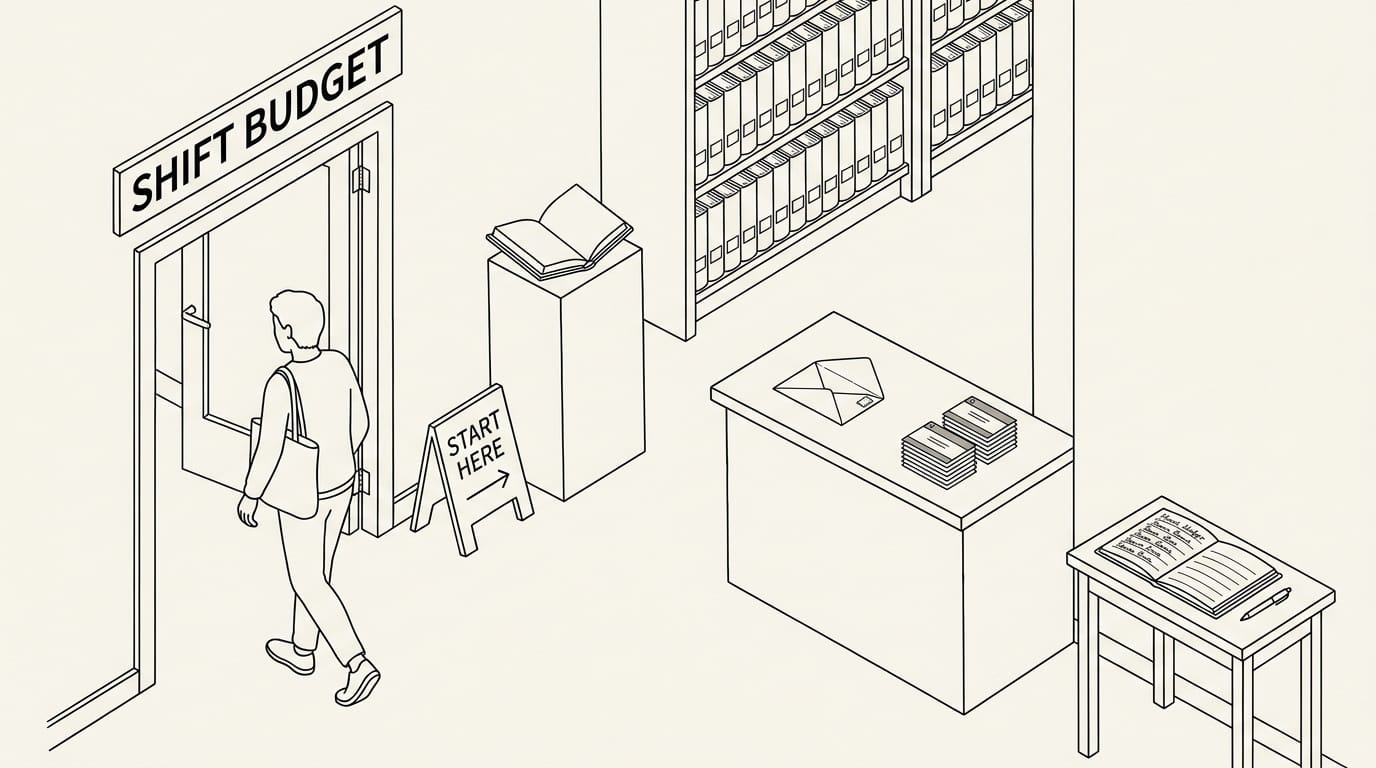
Deciding what to write about
Pick three or four content pillars, the recurring topics you keep returning to. Pillars stop you from wandering. Explain complex ideas the way you’d explain them to a friend, without jargon.
Favor content that helps people earn. A home health aide might explain how to price her first side-gig client, the kind of post readers forward to friends thinking about the same move.
Paid tiers can add access, depth, and community: direct answers, deeper walkthroughs, or a space to talk with peers. Serialized work, a multi-part series, gives people a reason to come back for part two.
Building a brand without showing your face
Not everyone wants to be on camera, and you don’t have to be. A pen name works if you use it consistently, and a faceless brand built on a strong point of view can still earn trust. Your voice matters more than your face.
Just know that LinkedIn bans fake names, so your LinkedIn profile needs your real name, even if your newsletter doesn’t.
Using AI and keeping a sustainable pace
Use artificial intelligence (AI) tools like ChatGPT to batch your work, such as a month of post ideas or a set of headline options at once. AI drafts can read flat and robotic, so rewrite them in your own words so readers hear you, not a machine.
Three habits keep the pace sustainable:
- Consistency over frequency. One post a week you can sustain beats five in one week and none the next.
- Sustainable rhythm. Pick a publishing day and a writing block that fit around your day job.
- Weekly hours. Estimate writing, editing, and promotion time honestly, then plan your week around that number.
Pick a pace you can keep. Consistency wins.
Getting More Readers to Find You
Good writing doesn’t earn much if nobody finds it. Substack has discovery tools built in, and outside channels can fill the gaps.
Growth tools built into Substack
Recommendations let you swap placements with other writers, so their readers find you and yours find them. Mentions and the Discover tab add exposure, and the network can put your work in front of thousands of readers monthly.
These work best when you ask rather than wait, so reach out to writers in your niche and offer to promote them in return.
Using social media to send readers
Social media can send readers your way if you post with a plan:
- Hourly X posting: Post on X roughly every hour so your work keeps resurfacing.
- Long-form threads: Write threads that stand on their own, then link to your newsletter at the end.
- Study your best posts: See what performed well, and make more of it.
- ConvertKit workaround: If X restricts posts that link straight to Substack, send readers to a ConvertKit page that links on to your newsletter.
- LinkedIn reposting: Repost your newsletter pieces there to reach a professional audience.
Build your free list before charging
Your free list (everyone who subscribes without paying) is the highest lever you have. Every free subscriber is a potential paying reader, not just a number on your dashboard.
Take a freelance bookkeeper who writes a weekly newsletter on tax deadlines for small shops. She builds free subscribers for months before adding a paid tier, and the people who pay are readers who already trust her. Grow the list, then paywall.
Ways to Turn Readers into Income
Paid subscriptions anchor your income, but your list can support much more.
Getting readers to pay for subscriptions
A paid tier works when readers can see the payoff. Think of a freelance accountant who writes a free weekly tax tip and puts her quarterly planning worksheets behind a paid tier, promising fewer surprises at tax time.
Keep enough free posts to attract readers, and put your hardest-to-find work behind the paywall. Ask for the upgrade plainly and announce each new tier. A free trial lets curious readers test paid content before they commit.
If you cover money topics like taxes or investing, you can price higher. Price for the decision your advice helps readers make, not the length of the post.

Pricing your founding and annual tiers
Offer a higher founding-member price to early supporters, and add personal perks like a direct reply to their questions.
Annual plans reward commitment, not curiosity. Upfront annual payments bring cash in at once, which helps when money’s tight. But turning off monthly plans entirely can cost you readers who want to test the waters first.
Using your newsletter to sell other things
Books and courses sell best to people who already trust your writing. Think of a freelance copywriter who writes weekly for small-business owners. One ghostwriting or consulting client can carry her income while her paid list grows.
Previewing course lessons in free posts gives readers a taste before the pitch. Your list can also follow you to events or a website, so keep those relationships yours.
Other ways to earn beyond subscriptions
- Sponsorships. Brands pay to reach your readers, so take only deals that fit your topic.
- Affiliate links. You earn a commission on sales made through your link, so say so up front.
- Digital offers and templates. A checklist or spreadsheet you already built can sell on its own.
- Vault or archive content. Bundle your back catalog as a paid archive for new subscribers.
- Serialized fiction. Chapters released on a schedule give paying readers a reason to stay.
Fit beats variety: pick the one or two that match what readers already come to you for.
Working backward from your income goal
Start with the income you need, then use this formula: free subscribers × conversion rate × price. Conversion rate is the share of free readers who pay.
According to David at Reason, the average conversion rate is probably closer to 5%, so plan on it.
Say you’re a side hustler who needs $1,000 a month from a $10 subscription. That’s 100 paying readers, or about 2,000 free subscribers at 5%.
A breakdown from The Brief puts 850 paid subscribers at $10 a month near six figures a year. Let’s run the math: 850 × $10 × 12 is $102,000 before Substack’s cut and taxes, so plan around a lower figure.
Work backward from the goal, and guessing stops.
How Much Do Substack Writers Really Earn?
Substack’s paid subscriptions can pay well, but the headline figures come from a small slice of writers.
Income numbers writers say they hit
Reported results vary widely:
- $100K+ a year: claimed within months.
- $20K a month: claimed within a year.
- $977K: earned from 2,300 paid readers.
- $267K annualized: earned from 1,917 paid subscribers.
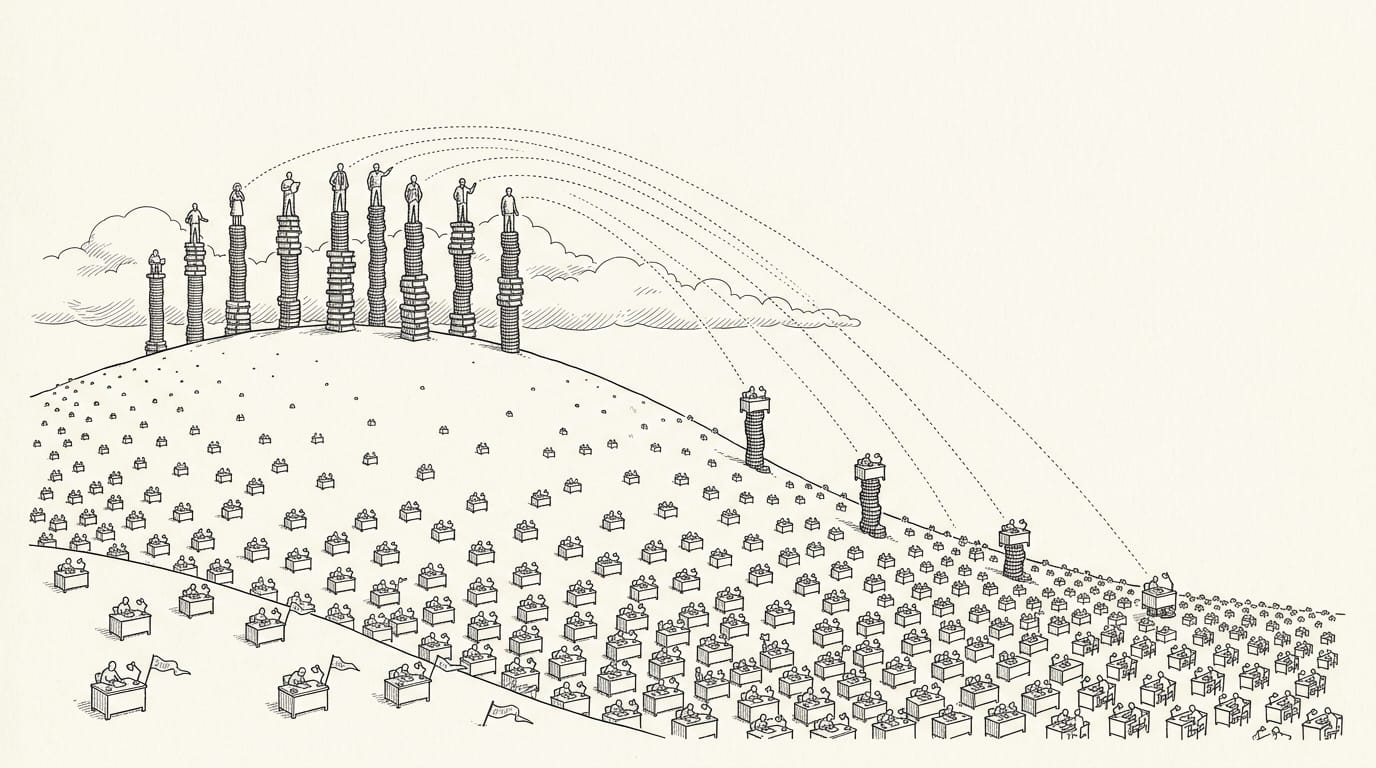
According to a paper on Substack as the new home for cultural journalism, its highest-paid writers earn substantial revenue: just 10 authors among 17,000 content creators generate a combined $25 million a year, a figure the paper attributes to Wefunder.
The sources we have don’t name a single top earner, so the answer to ‘who is the highest paid Substack?’ is a small group, not one person.
So how much can you make? The range is wide, running from small paid audiences to six-figure claims, and those top numbers belong to a small slice of creators.
How long real growth takes
Some audiences took three years to build, while others describe a 12 to 15 month revenue sprint. The typical arc covers months 1 through 9, and slow growth in that window is normal, not a failure.
Headlines also suffer from survivorship bias: writers who quit early rarely post their numbers, so the typical writer earns less than the claims suggest.
Learning from writers who show receipts
Think of a bookkeeper who writes a weekly newsletter at night. Before she counts on big numbers, she works backward: how many paid subscribers would cover her rent, and how long might that take?
When a successful writer shows their receipts up front, you can see how the numbers were built, not just the total. An existing brand is a real head start: a writer with a following elsewhere isn’t building an audience from zero.
Before you quit your day job, plan for the slow version.
Reducing Risk by Spreading Your Income
Putting all your income in one place is risky, even when it’s working.
Why are writers leaving Substack?
Most writers who move on are reacting to one problem: too much of their audience depends on someone else. Think of a newsletter writer who gets most new readers from X, the platform formerly known as Twitter. If that reach drops, so do her sign-ups.
Diversify by building an audience on LinkedIn too, so one feed doesn’t control your growth.
Think like a business owner: track where your readers come from so you can spot risk early.
Writers also leave Substack when their goals outgrow the platform, and moving is a sound decision. Good news: moving doesn’t mean starting from zero. Your subscriber list matters most, so export it and keep a copy you control.
It’s less about where people first find you and more about whether you can take them with you. Start that list now, not when you need it.
Don’t quit your day job too soon
Your paycheck lets you test an idea without pressure, so protect it. Here’s how:
- Don’t quit early. Paid subscriptions take time, so keep your day job while you learn what readers will pay for.
- Writers lose by quitting early. Big decisions made on small, uncertain income can lead to work you don’t want.
- Set an income threshold. Before you give notice, decide the monthly amount your newsletter must earn to cover your bills.
Consider a freelance editor who runs a paid newsletter on weeknights. She keeps her salary and health coverage while she tests which posts turn free readers into paying ones.
When her income hits the threshold she set, she gives notice with a plan. Quit on a plan, not on hope.
Substack can become a real income stream, but it rewards patience, clear numbers, and a plan for spreading your risk.
Know your realistic income range, track the hours and costs behind it, and let those numbers, not hope, decide when it’s time to make the leap.
Treat your newsletter like the small business it is, and every new reader or paying subscriber becomes a step toward steadier income. Start small, measure honestly, and let your readers show you what’s worth building.
References
- Substack, the New “Home” for Cultural Journalism — mdpi.com (2025)
- Substack raises more money, but is that a good thing? — cjr.org
- Some Tentatively Final Thoughts on Substack — reason.com (2026)
- How Much Do Substack Writers Actually Make? — thebrief.org (2026)
Questions
How much money can you make with a Substack?
Substack earnings range from modest side income to six-figure annual revenue, but the largest reported figures come from a small minority of writers. Your income depends on how many readers pay, your subscription price, and other revenue sources; Substack takes 10% of subscription revenue, with payment-processing fees also deducted. For example, 100 subscribers paying $10 a month bring in $1,000 monthly before fees and taxes.
Why are writers leaving Substack?
Writers may leave because too much of their audience growth depends on outside platforms or feeds they do not control, or because their goals outgrow Substack. Exporting and keeping a copy of your subscriber list can make a move easier and help you take your audience with you.
Is Substack a good way to earn money?
Substack can be a good way to earn side income because writers can charge for subscriptions from the start and use built-in discovery tools. Whether it is worthwhile depends on the income left after platform and payment fees, as well as the time spent writing and promoting; it is wise to keep other income while building an audience.
Who is the highest paid Substack?
There is no single highest-paid Substack writer identified here. A reported estimate says 10 authors among 17,000 creators collectively generate $25 million a year, but it does not name one top earner.